The kitchen is the core of any home. It’s where we drink coffee with friends, cook dinner with family, and celebrate life’s moments. Because we spend so much time here, every detail matters—especially the kitchen sink.
An ideal sink doesn’t just complement your interior design; it dictates your workflow. It determines what faucet you can use, how deep your cabinets need to be, and how you clean up after a meal.
If you are planning a renovation, use this expert guide to navigate the diverse world of sinks and find the one that fits your habits perfectly.
1. The 3 Golden Questions
Before browsing, ask yourself:
Installation Type: Do you want it to sit on top of the counter (Top-mount) or under it (Undermount)?
Configuration: Do you need one large bowl for big pots, or two bowls for multitasking?
Material: Are you looking for durability, style, or ease of cleaning?
2. Size and Configuration
Size depends on your available space and cooking habits.
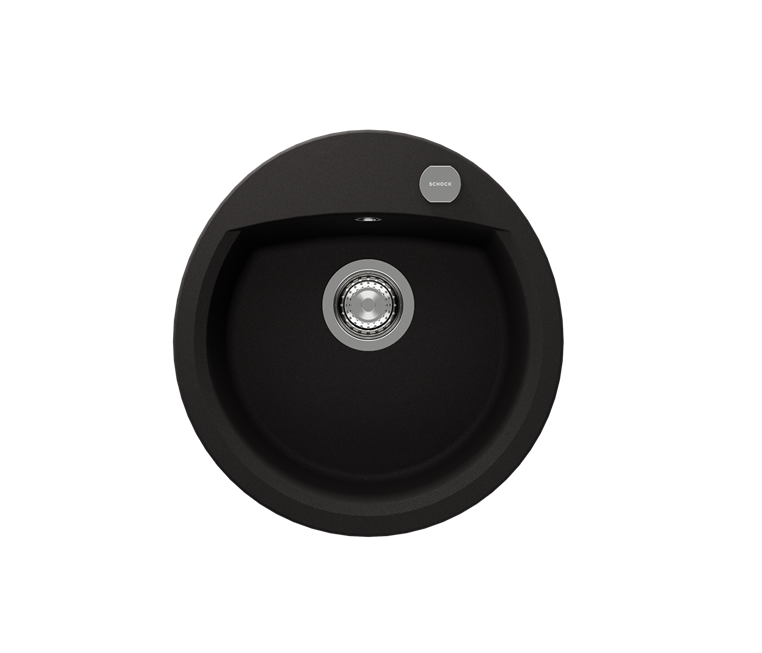
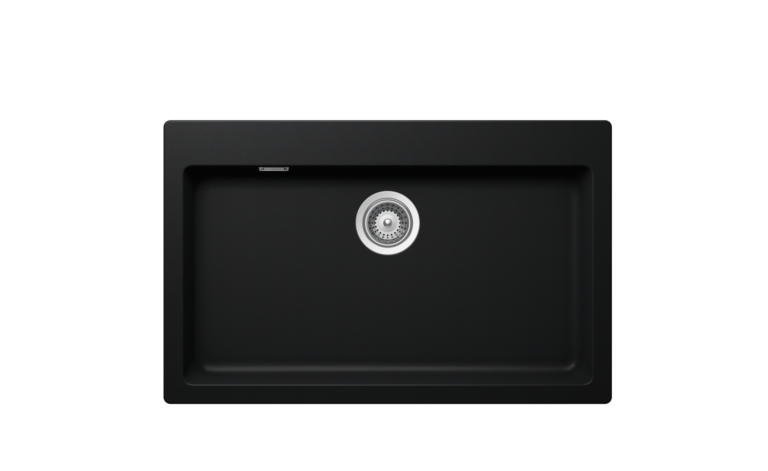
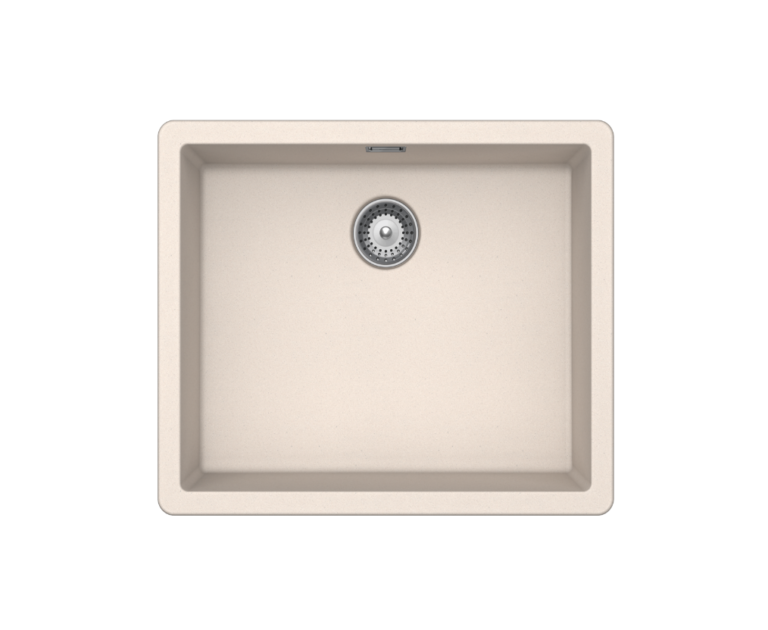
Single Bowl (Standard 45-60cm): Perfect for small kitchens. Modern deep single-bowl sinks are surprisingly spacious and can fit large baking trays that double bowls can’t.
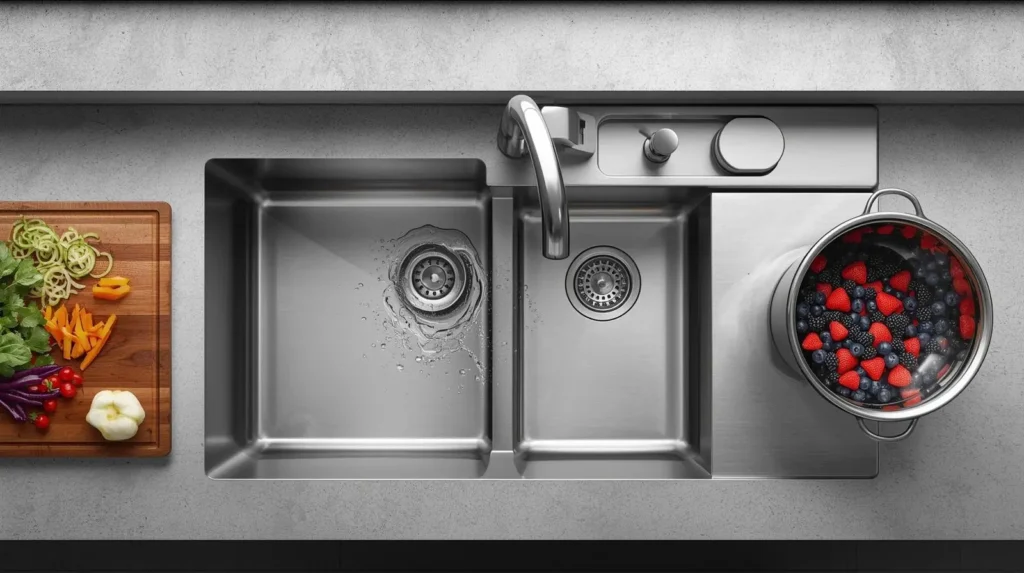
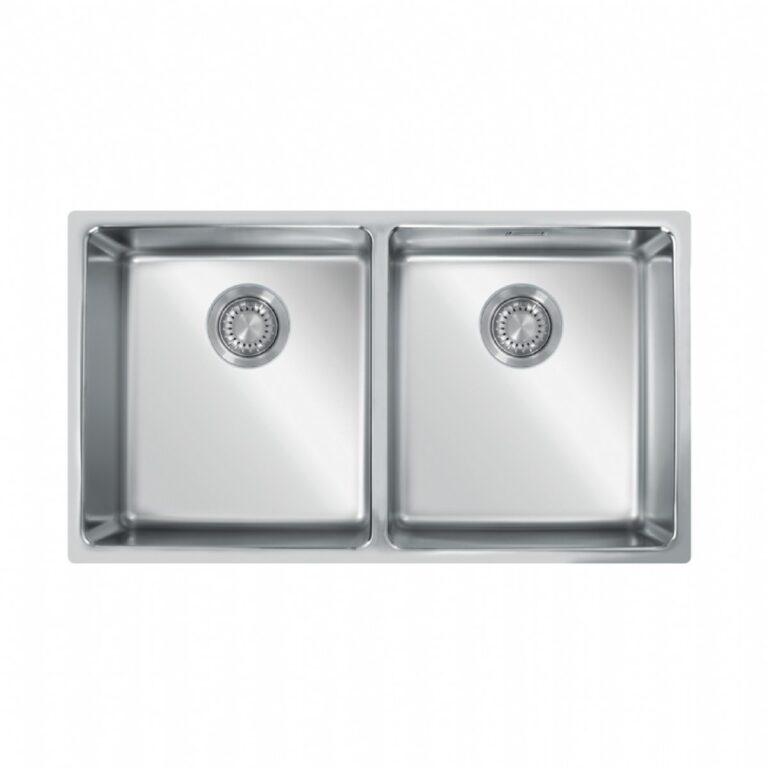
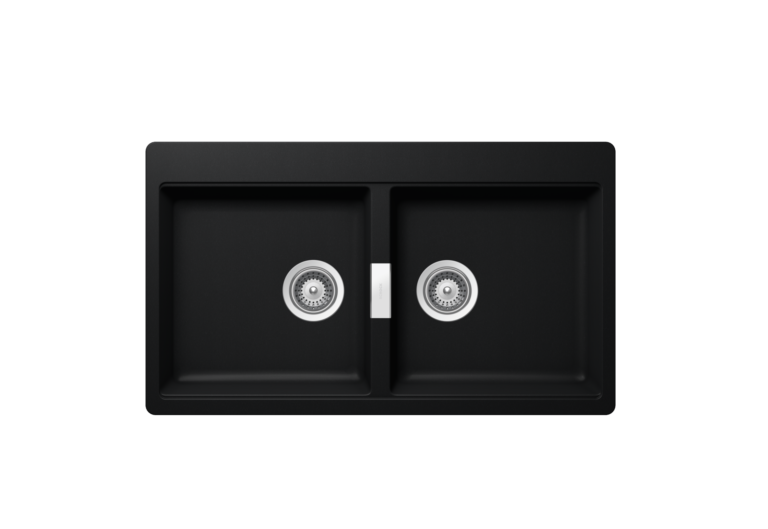
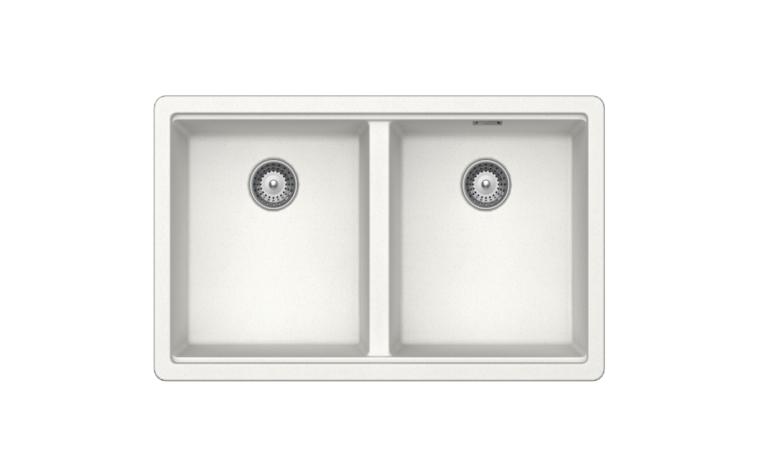
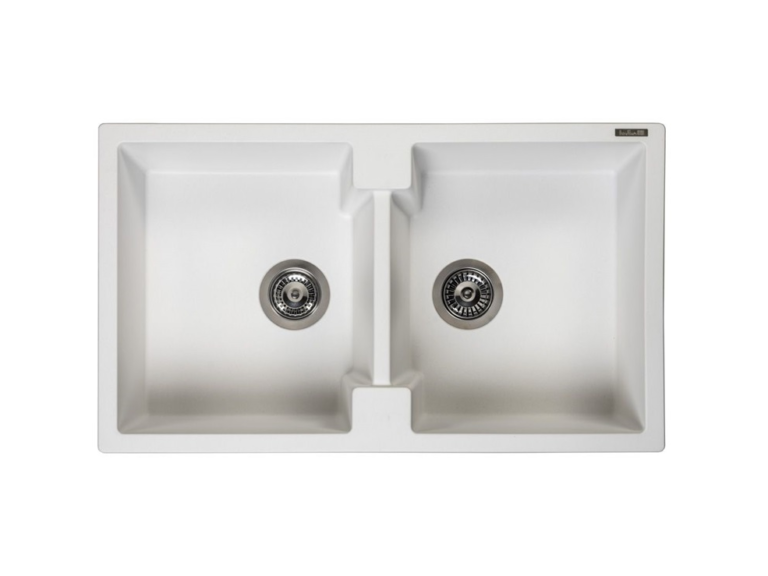
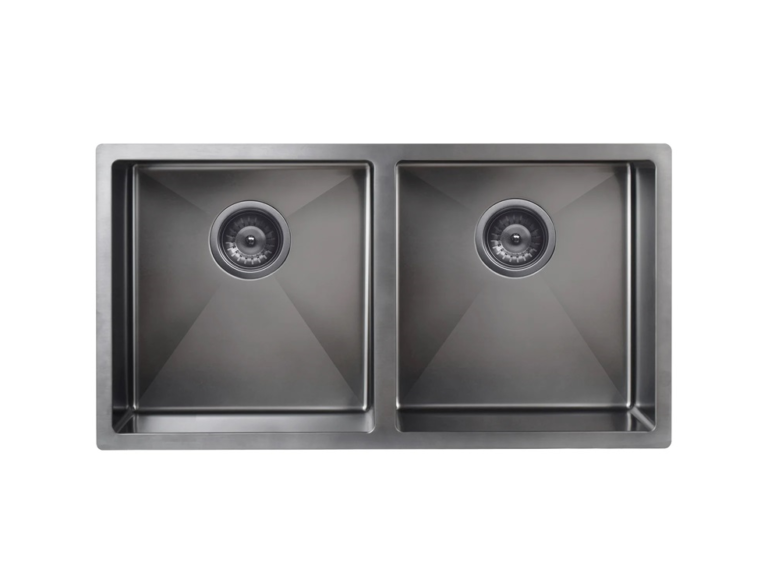
Double Bowl (75cm+): The best choice for multitaskers. You can soak dirty dishes in one bowl while washing vegetables or draining pasta in the other. It’s ideal for larger families.
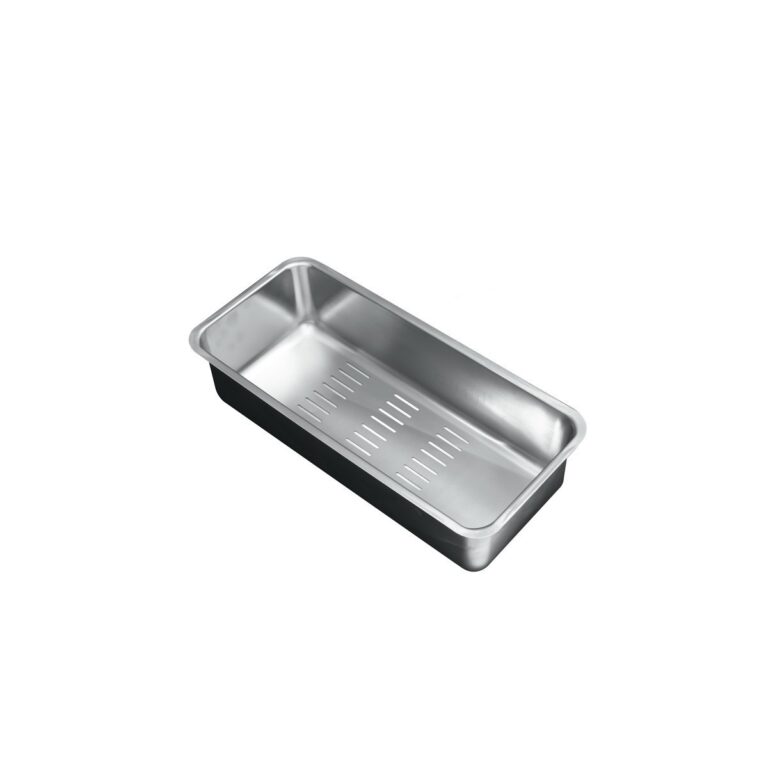
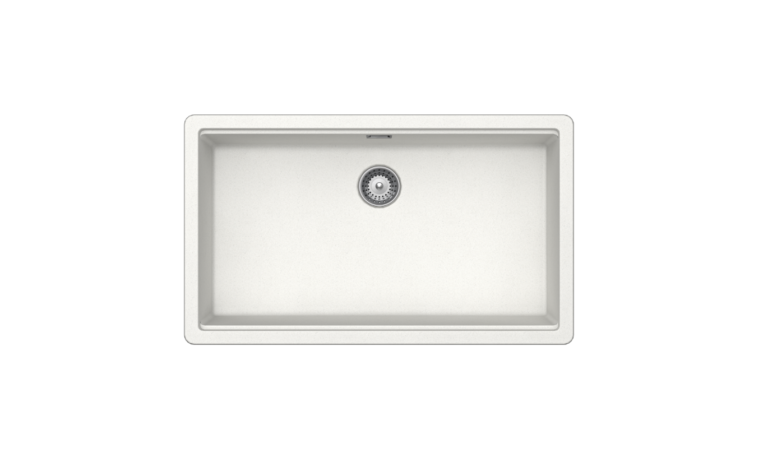
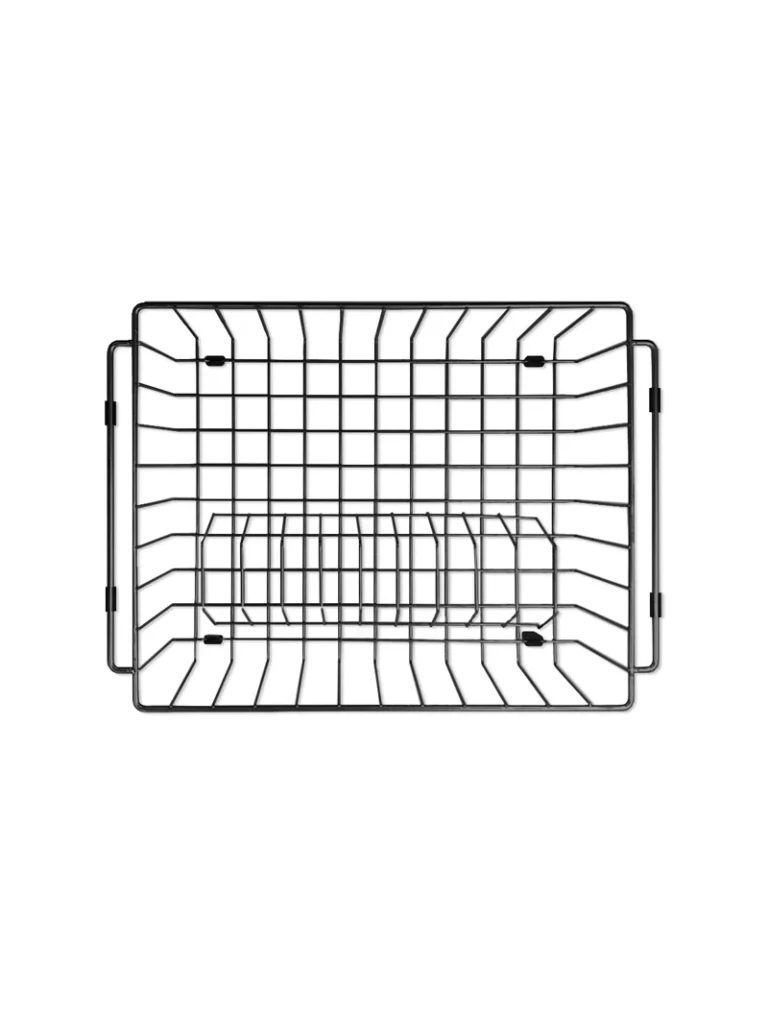
The “Workstation” Sink (90cm+): For professional-style cooking. These massive sinks often come with built-in accessories like cutting boards and colanders that slide on a ledge.
3. Material Matters
The material dictates how long your sink will last and how much maintenance it needs.
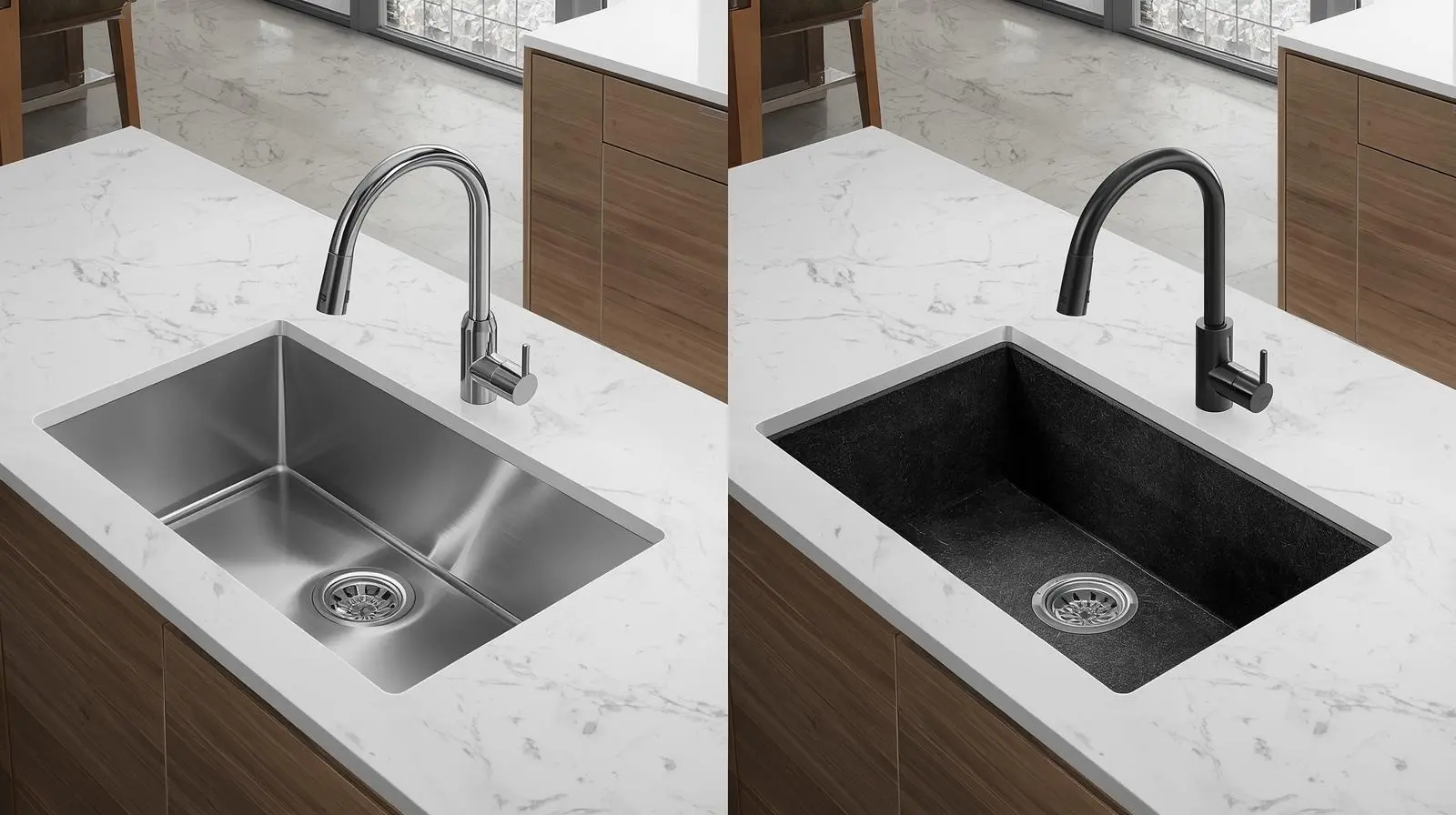
A. Stainless Steel (The Classic)
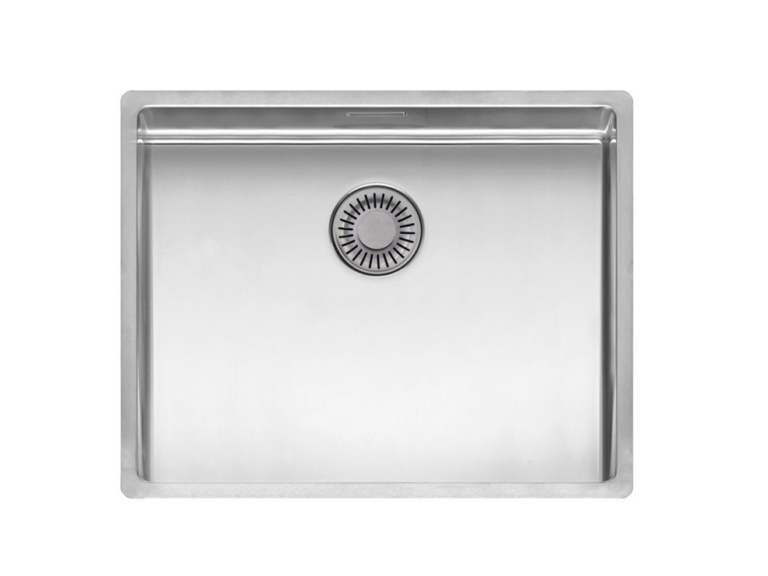
Pros: Lightweight, durable, heat resistant, and affordable. Fits any modern or industrial style.
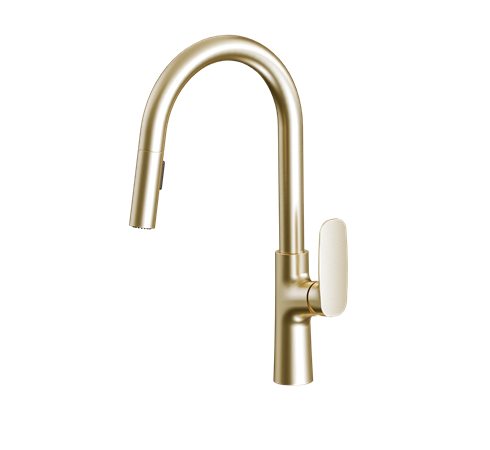
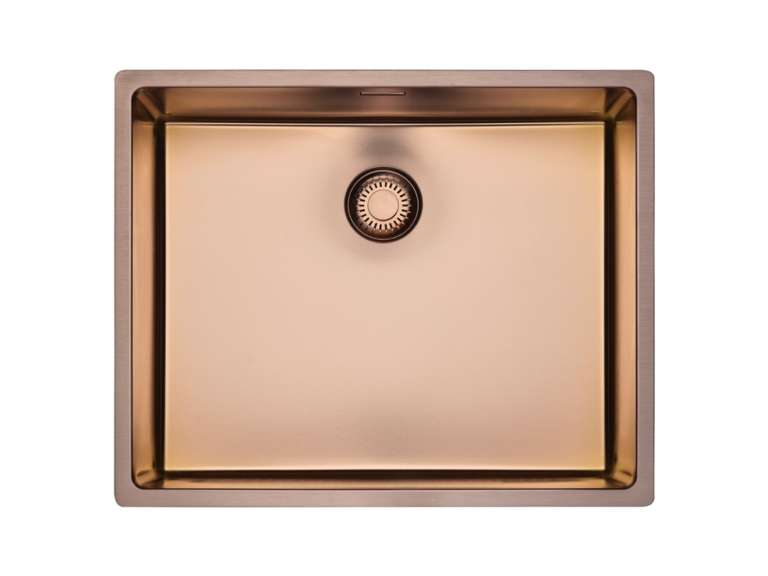
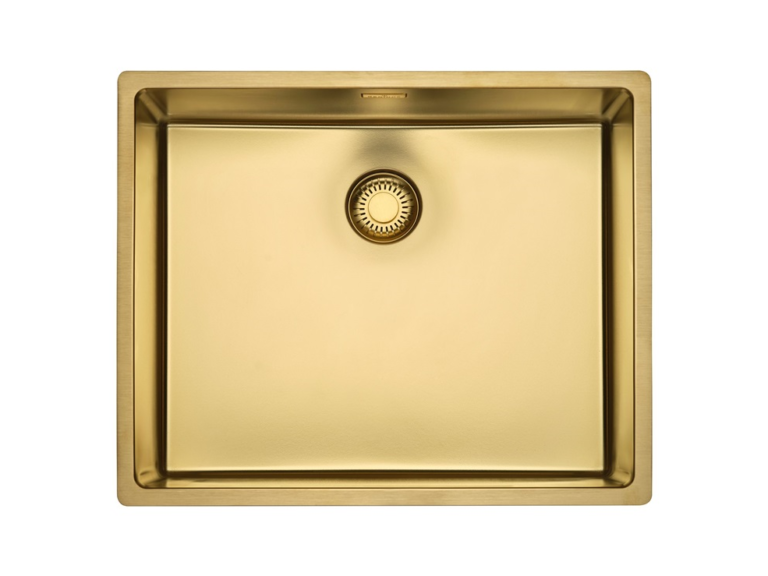
Expert Tip: Look for “PVD Coated” steel (in Gold, Copper, or Gun Metal) for a unique look that is scratch-resistant. Also, ensure it has “Sound Deadening Pads” underneath to reduce noise.
B. Granite Composite (The Trendsetter)
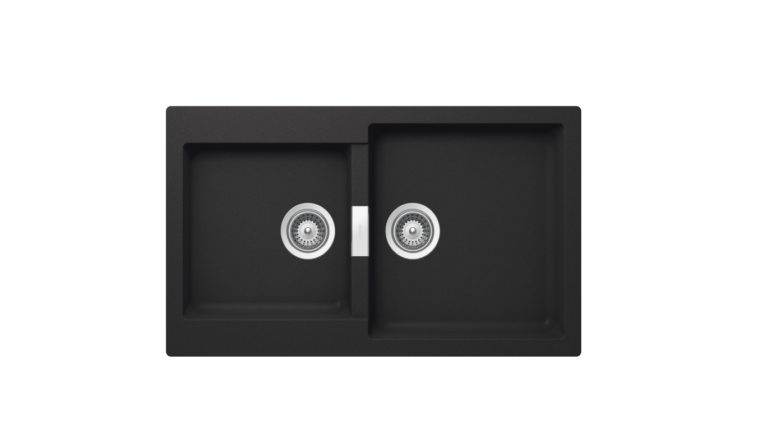
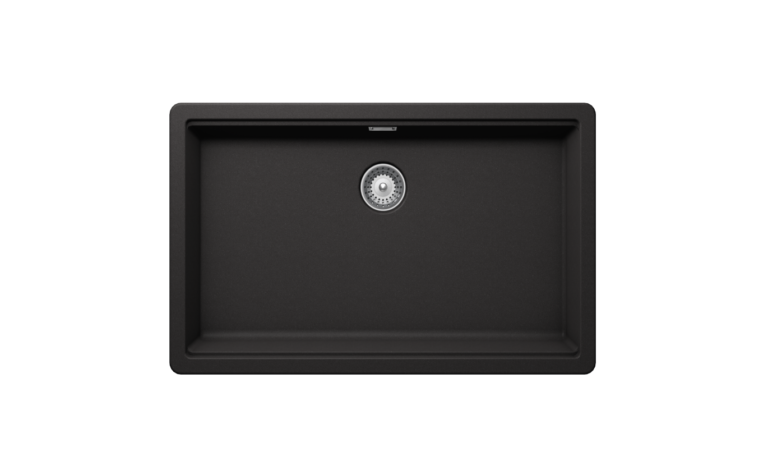
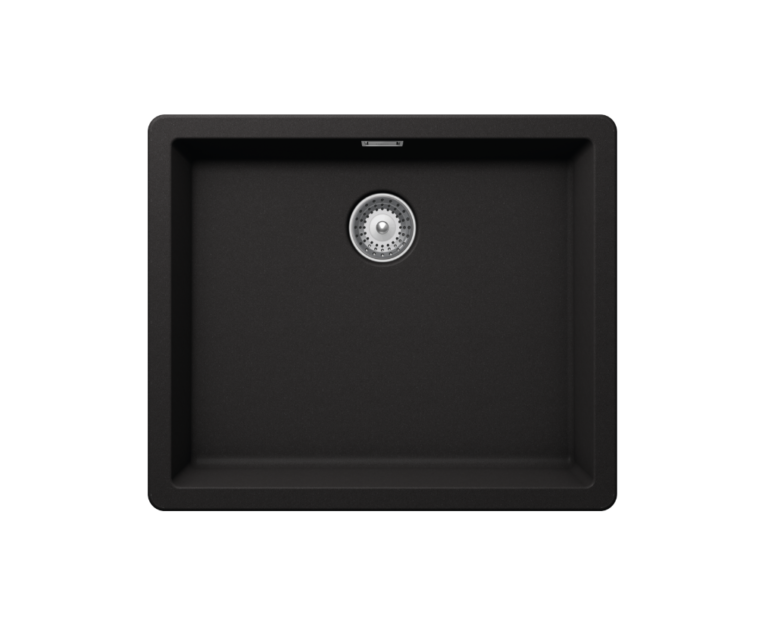
Pros: Incredibly hard and scratch-resistant. Available in matte black, grey, and beige tones that look luxurious. Does not show water spots as much as steel.
Cons: Slightly more expensive than standard steel.
C. Ceramic / Porcelain (The Vintage Soul)
Pros: Beautiful, glossy finish perfect for farmhouse or classic kitchens. Very hygienic and easy to wipe.
Cons: Can chip if you drop a heavy pot. Limited resistance to strong chemicals.
4. Installation Types
Undermount: Installed underneath the countertop.
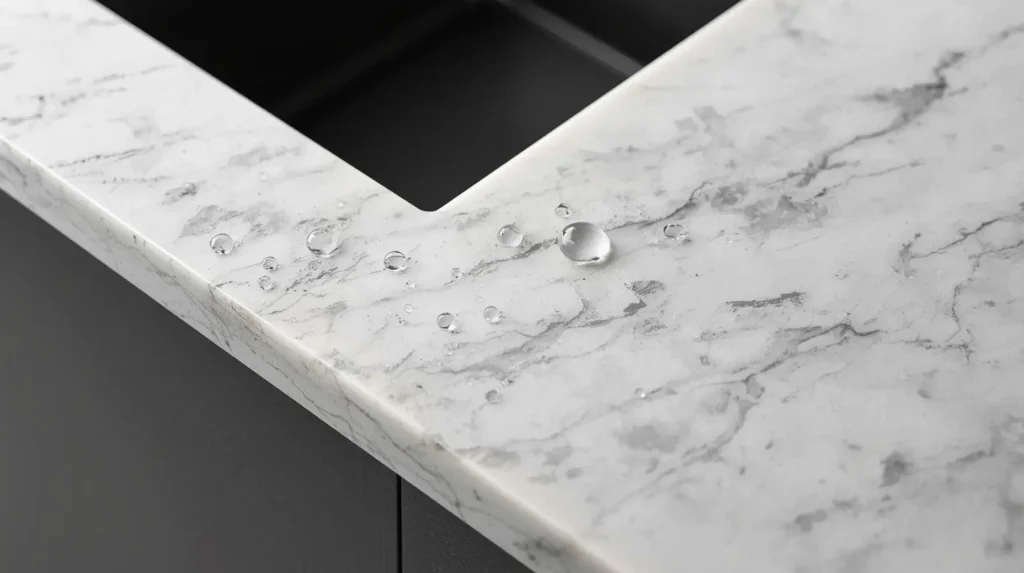
Benefit: You can wipe crumbs directly from the counter into the sink. Looks seamless and clean. Requires a solid countertop (stone/quartz).
Top-mount (Drop-in): The rim sits on top of the counter.
Benefit: Easiest to install. Compatible with any countertop material (including laminate).
Conclusion: Whether you need a heavy-duty granite workstation or a sleek steel basin, the right choice will make your daily routine a pleasure. Discover the full range of premium kitchen sinks at Merlons.
Discover our wide selection of kitchen sinks and accessories:
Which sink is harder to scratch: Granite or Steel? – High-quality Granite composite is harder to scratch than standard stainless steel. However, PVD-coated textured steel (like “Nano” finish) is also extremely resistant to scratches.
Can I install an undermount sink on a laminate worktop? – Generally, no. Laminate has a particleboard core that will swell if exposed to water at the raw edge. Undermount sinks are best for solid surfaces like granite, quartz, or marble.
What is the best depth for a kitchen sink? – A depth of 18-20 cm is ideal. Shallower sinks splash water everywhere, while deeper sinks (25cm+) can strain your back if you wash dishes for a long time.
Previous PostWhy Choose Ceramic & Floor Tiles for Your Home? A Smart Investment
Next PostRenovation Timeline: At What Stage Do You Need Finishing Materials?


























 EN
EN  KA
KA  RU
RU 