The year 2026 marks a pivotal shift in interior design philosophy. We are moving away from the purely visual and stepping into the era of “sensory design.” While aesthetics remain crucial, the primary question for homeowners and designers has shifted from “How does it look?” to “How does it make me feel?”
In the world of tiles and renovation materials, this means a departure from sterile, high-gloss perfection towards surfaces that offer character, warmth, and a connection to nature. Based on industry analysis and emerging architectural shifts, we have compiled the 6 definitive directions for 2026. This guide explores not just the trends, but the reasoning behind them and how to implement them in your space.
1. Tactile Sensations: The Era of Haptic Design
In a digital-first world, there is a growing craving for physical, tactile experiences. This is why 2026 is seeing a surge in “Haptic Design”—spaces designed to be touched.
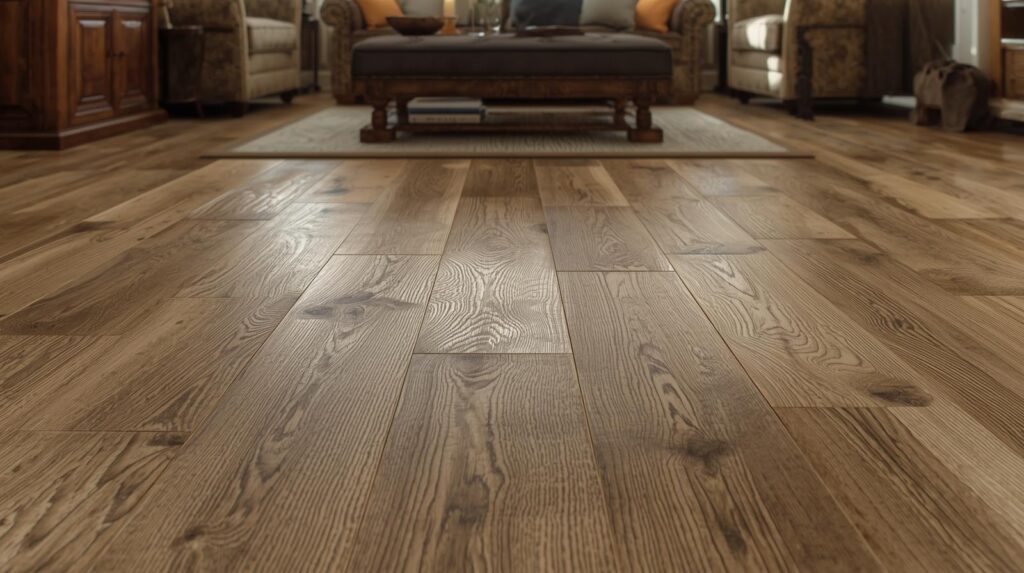
The Technology: Advancements in ceramic manufacturing (specifically “3D-Tech” and “Sinkrony”) now allow for surfaces where the texture perfectly matches the graphic. If you see a knot in a wood-look tile, you can feel the depth of that knot.
Design Psychology: Textured surfaces—like distressed wood, raw stone, or fabric effects—absorb light rather than reflecting it harshly. This creates a softer, more grounding atmosphere known to reduce visual fatigue.
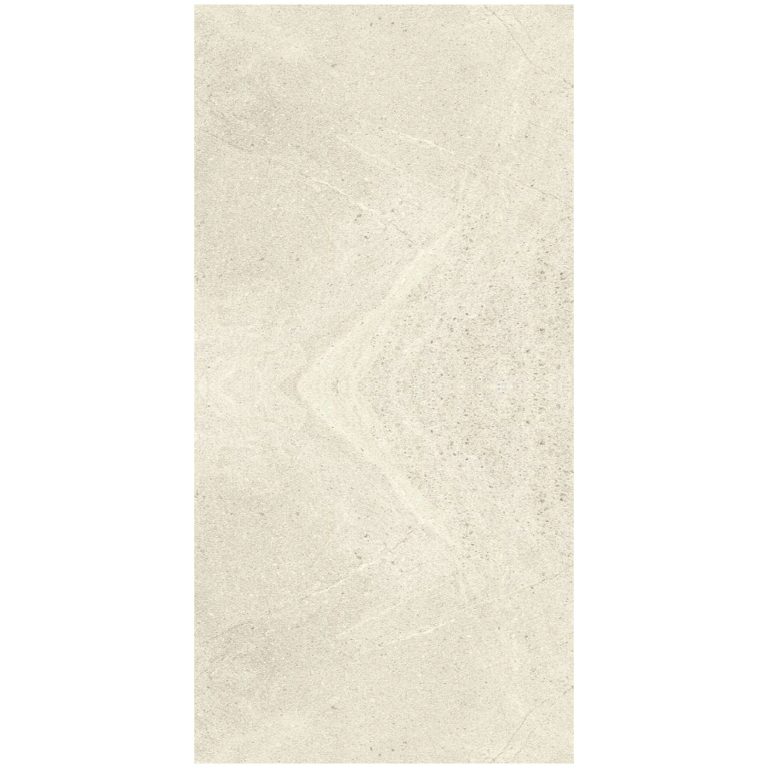
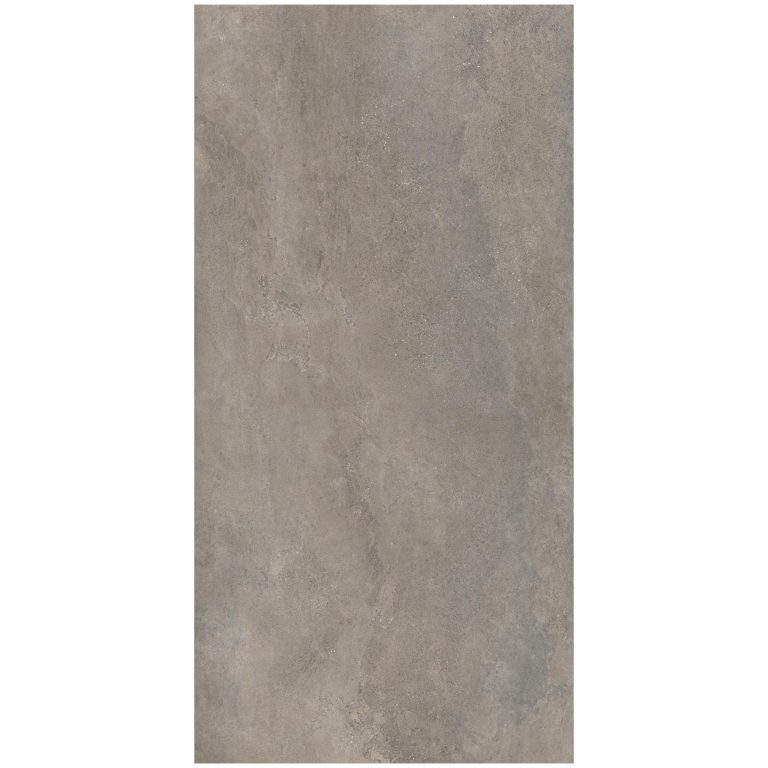
Where to Use: Use raw stone-effect tiles in the living room to anchor the space, or textured wood-look porcelain in the bedroom for warmth without the maintenance of real timber.
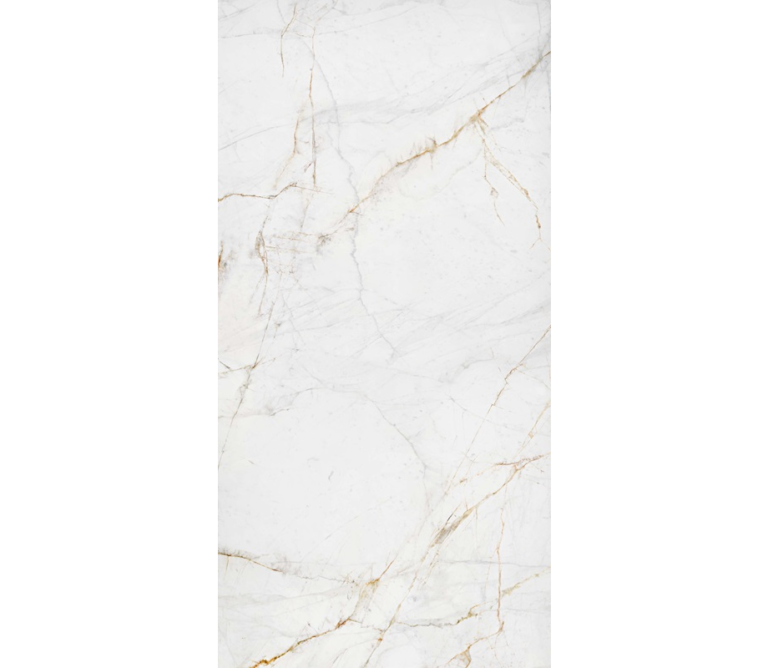
2. Marble with Metallic Accents: "Maximalist Elegance"
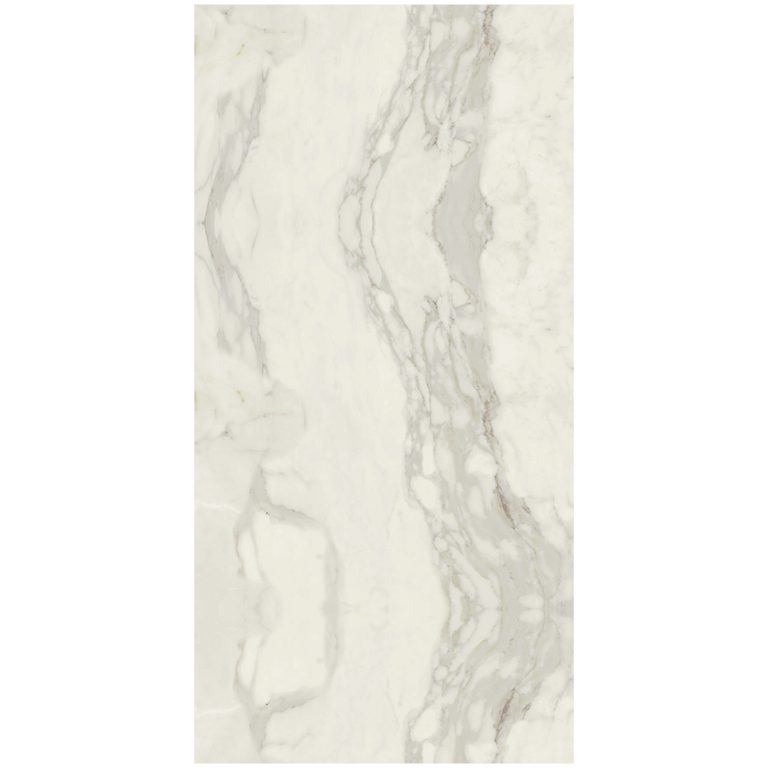
Minimalism is evolving. While clean lines remain, materials are becoming bolder. Classic Carrara marble is being reimagined for 2026.
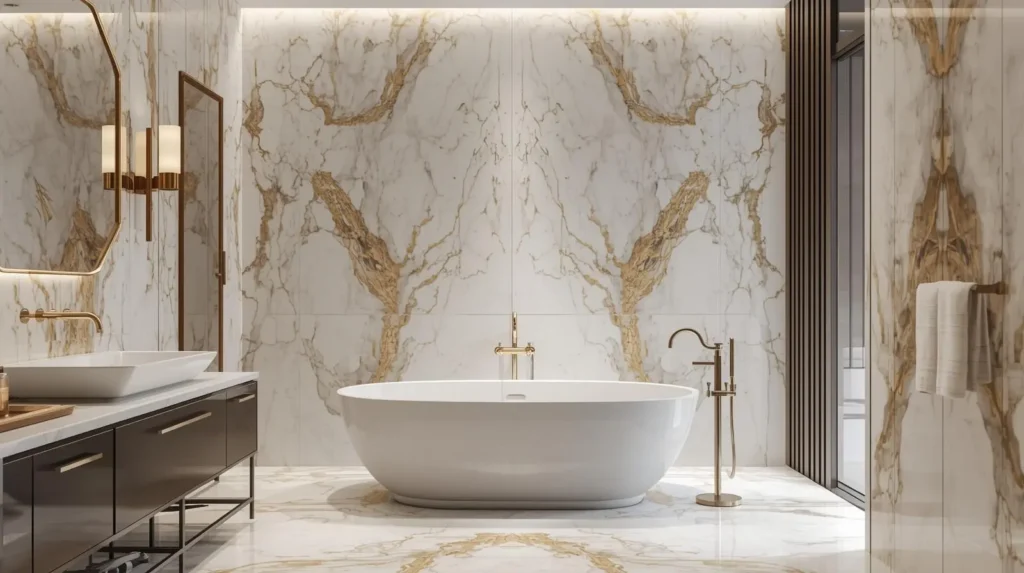
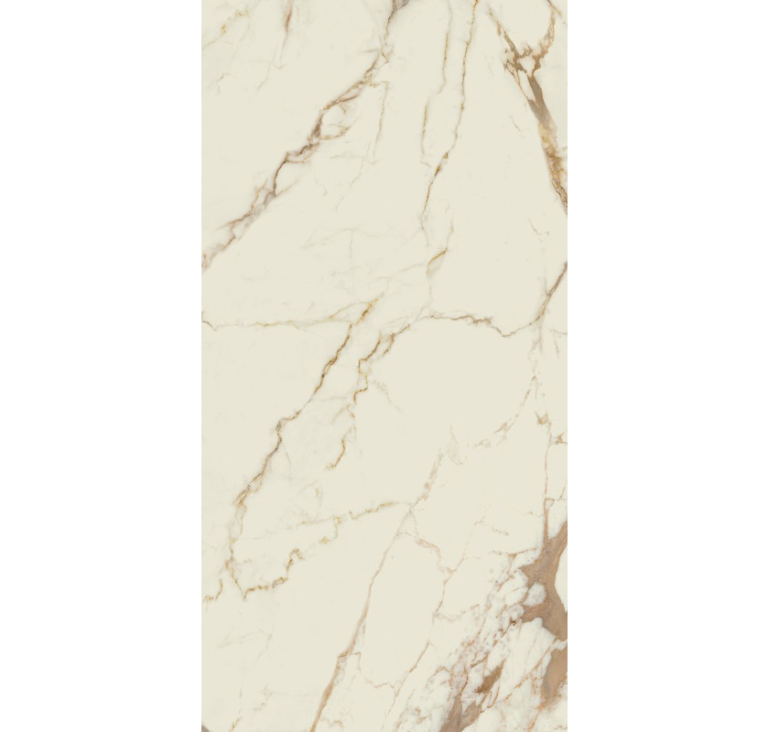
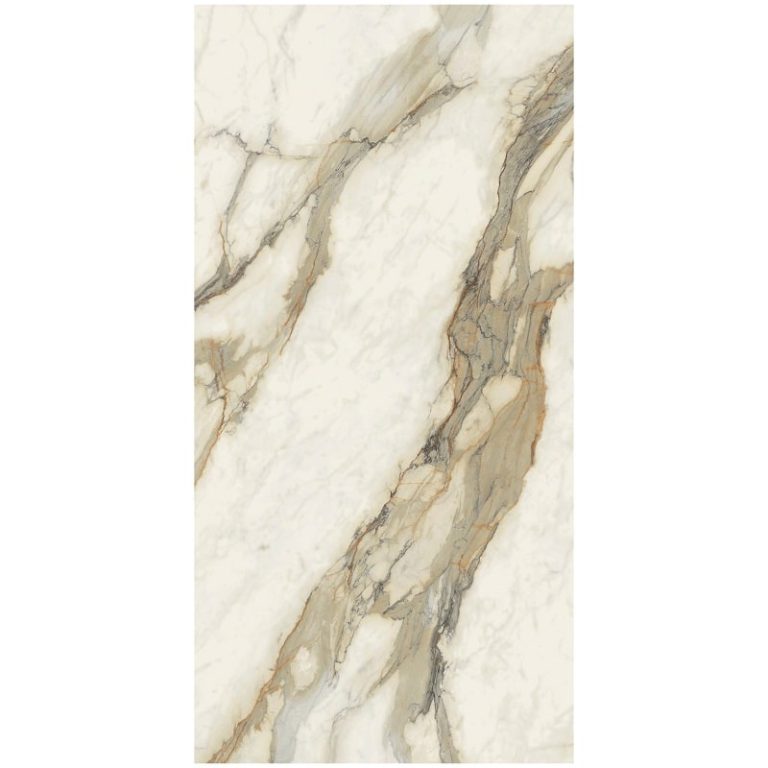
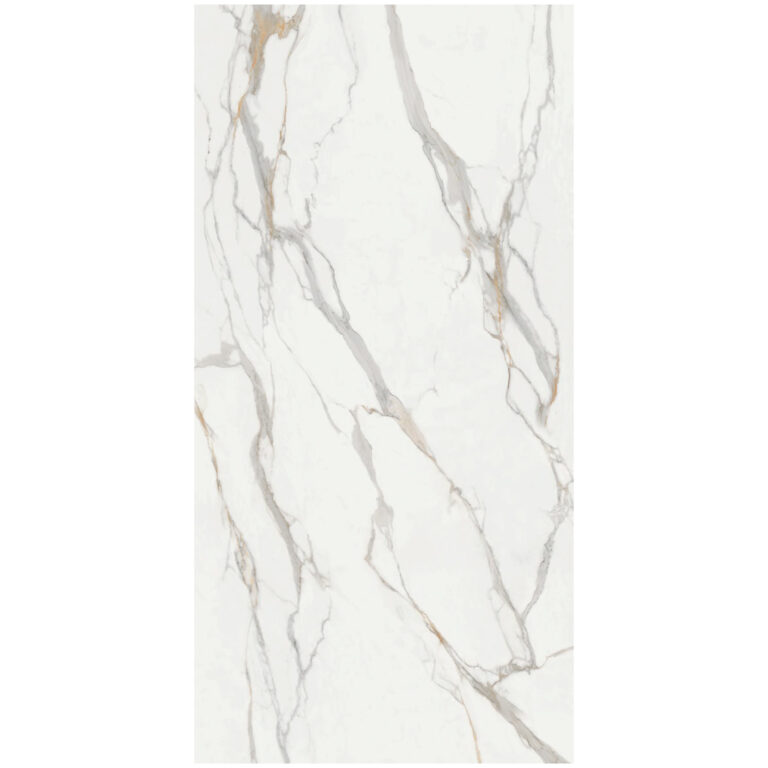
The Trend: We are seeing a move towards dramatic stone slabs where the natural veining isn’t just grey, but infused with metallic tones—gold, bronze, or rust.
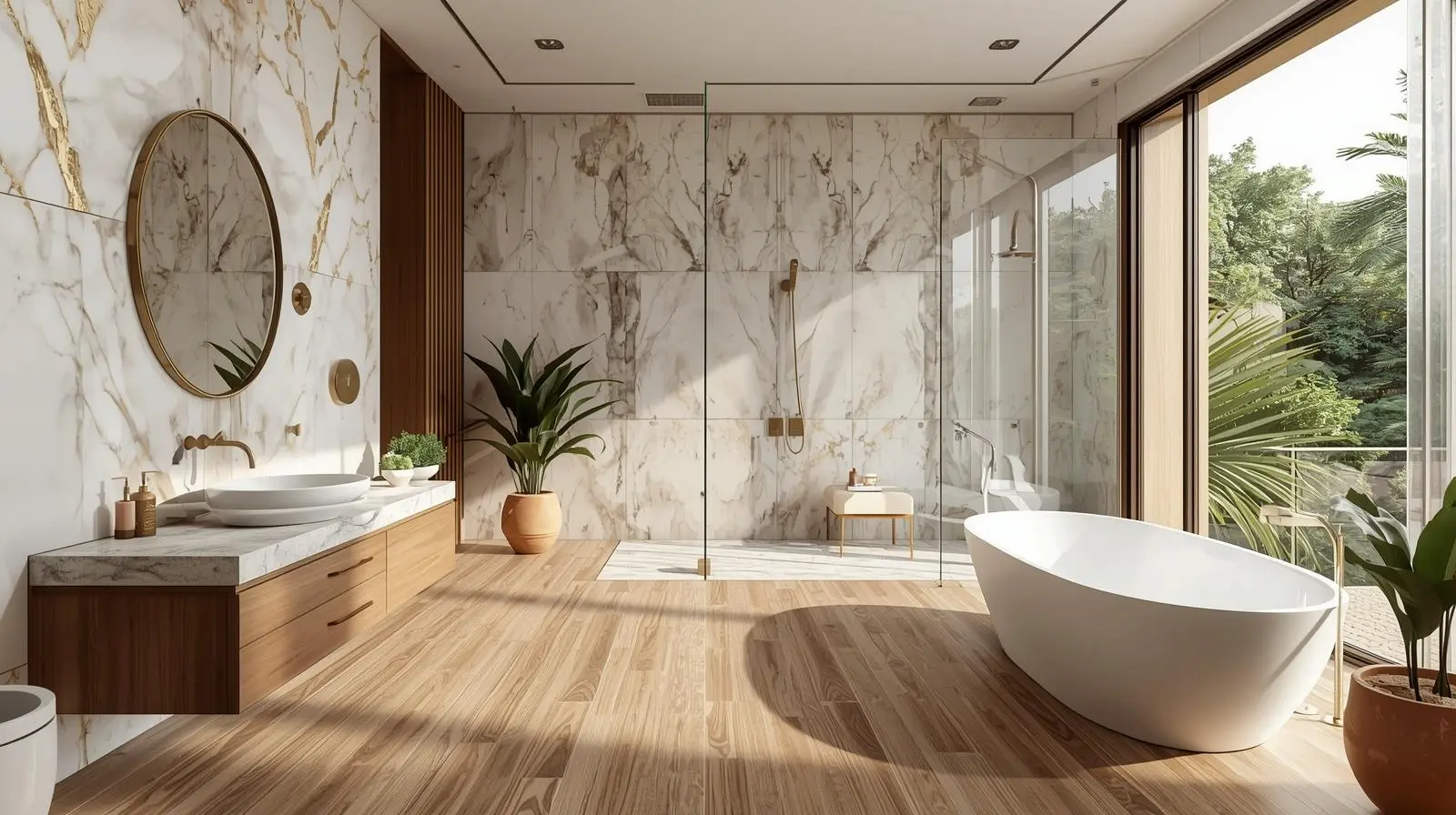
Styling Tip: This material is visually powerful. To avoid overwhelming a room, use these tiles as a “Feature Wall” (e.g., inside a walk-in shower or behind a TV unit) and keep the remaining walls neutral.
Best Pairing: Matches perfectly with brushed brass tapware and velvet upholstery.
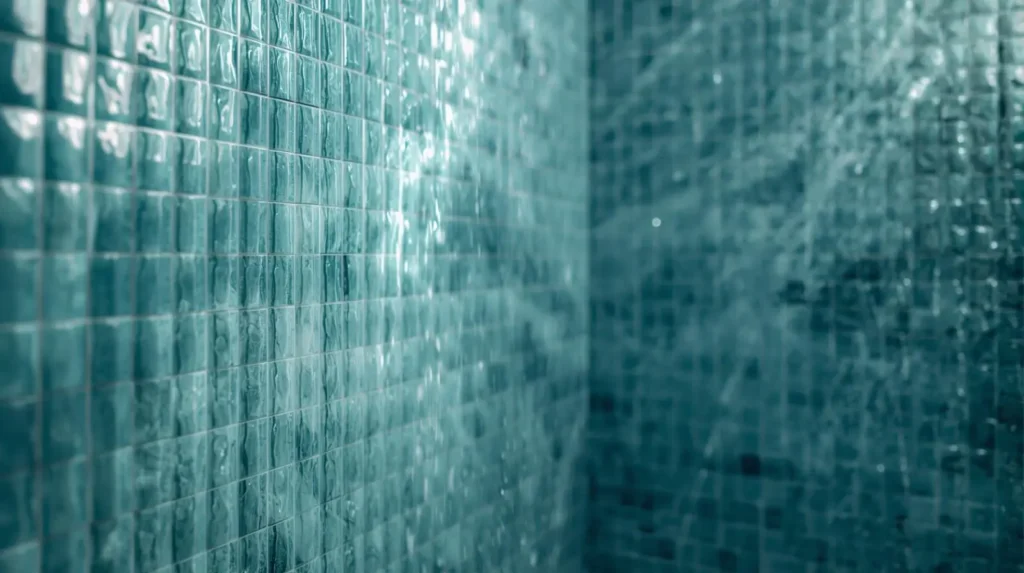
Mental health and wellness are at the forefront of 2026 design. The bathroom is no longer a utility room; it is a home sanctuary.
The Trend: “Aquatic” design involves materials that mimic the movement of water. This includes high-gloss, wavy-surfaced tiles (often called Zellige style) in shades of deep teal, aqua, and seafoam green.
Why It Works: When light hits these uneven, glossy surfaces, it creates a shimmering effect similar to sunlight on a swimming pool. This triggers an immediate physiological response of relaxation.
Application: Ideal for shower enclosures or as a backsplash in a double vanity area.
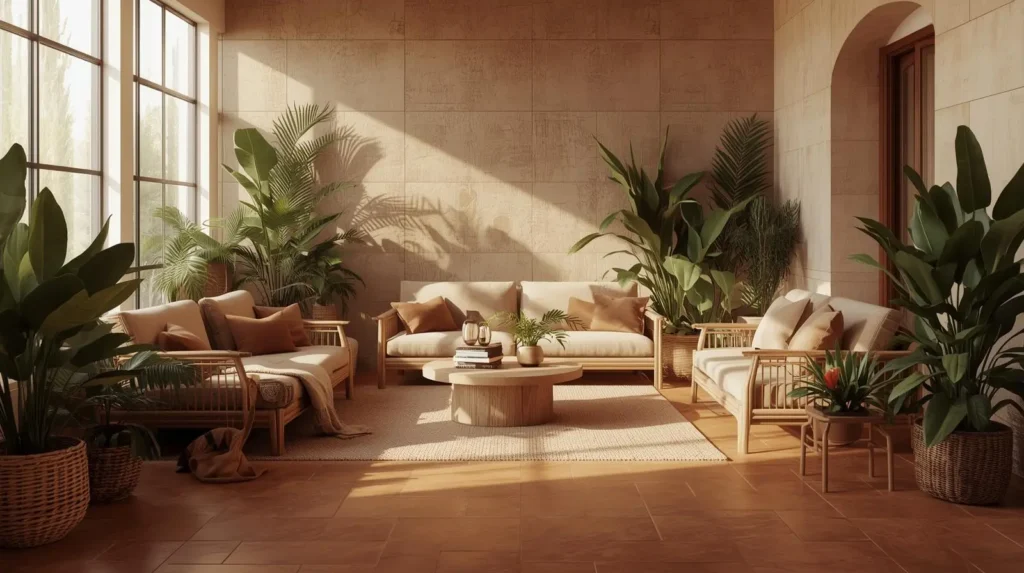
The “Grey Era” of the 2010s is officially over. As we seek more comfort, the color palette has shifted to warm, “baked” tones.
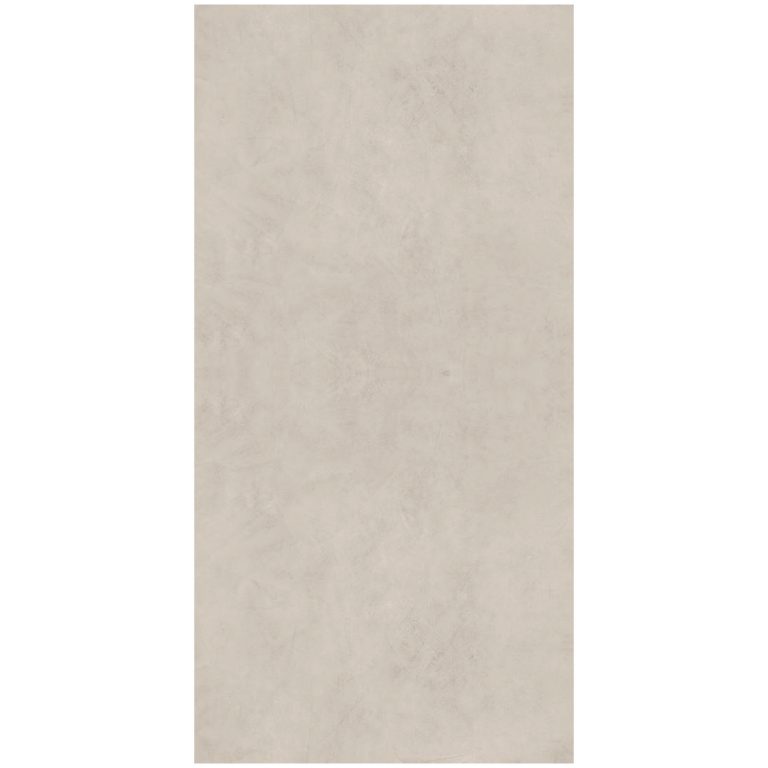
The Palette: Think colors derived from the earth: Terracotta, Sand, Ochre, Warm Beige, and Clay.
Why It Matters: These are biophilic colors—they remind us of the outdoors. They make large, open-plan spaces feel intimate and cozy rather than cold and industrial.
How to Style: Combine terracotta floor tiles with creamy off-white walls and natural woven accessories (rattan, jute) for a modern Mediterranean or “Japandi” look.
For those who prefer modern, uncluttered aesthetics, the “Total Look” is the dominant trend for 2026.
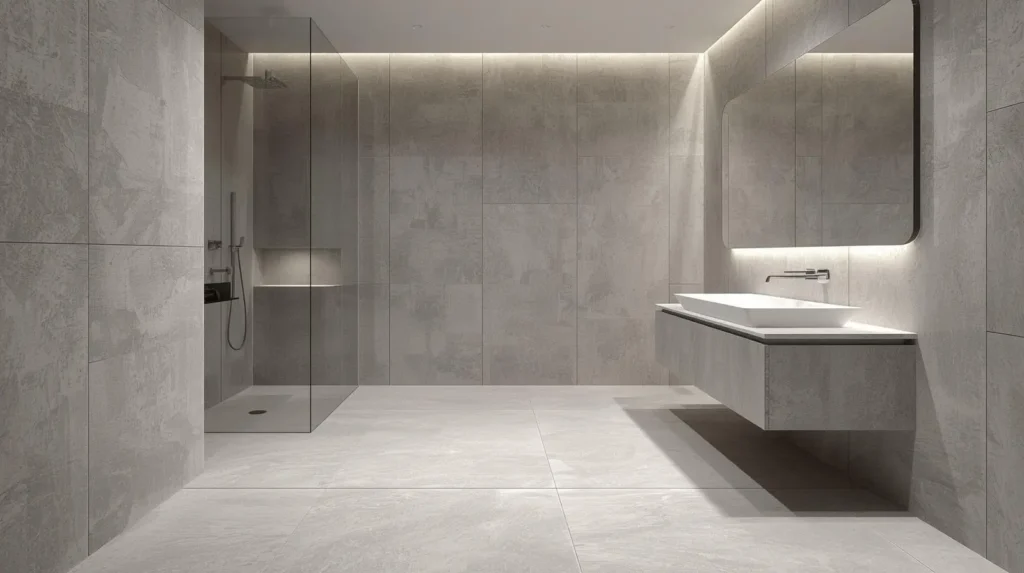
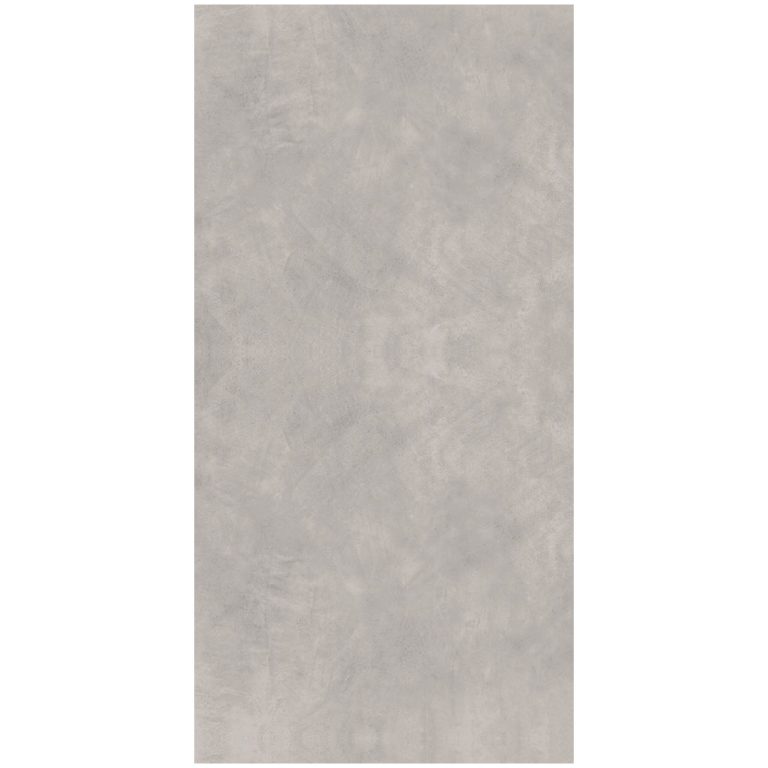
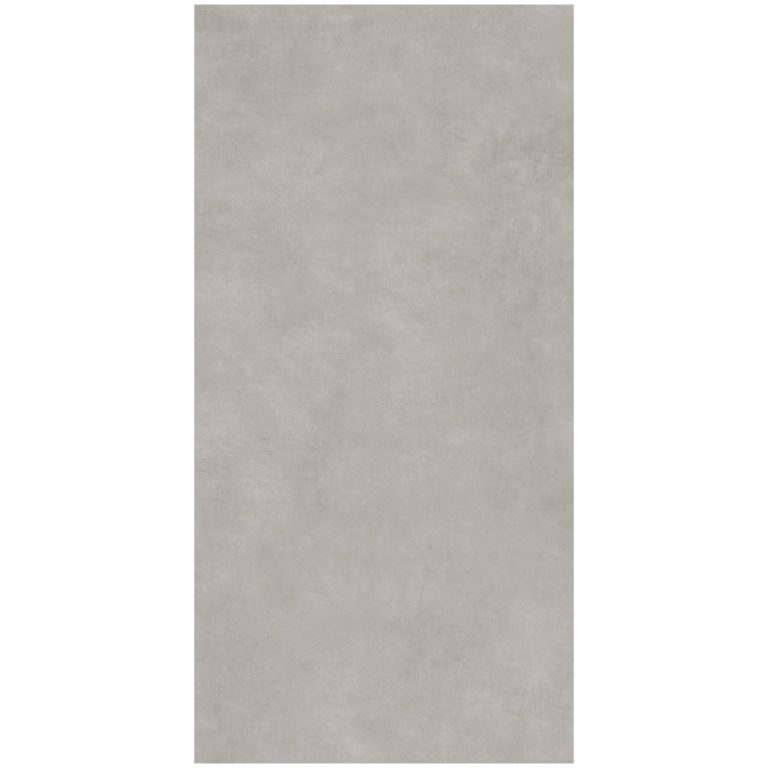
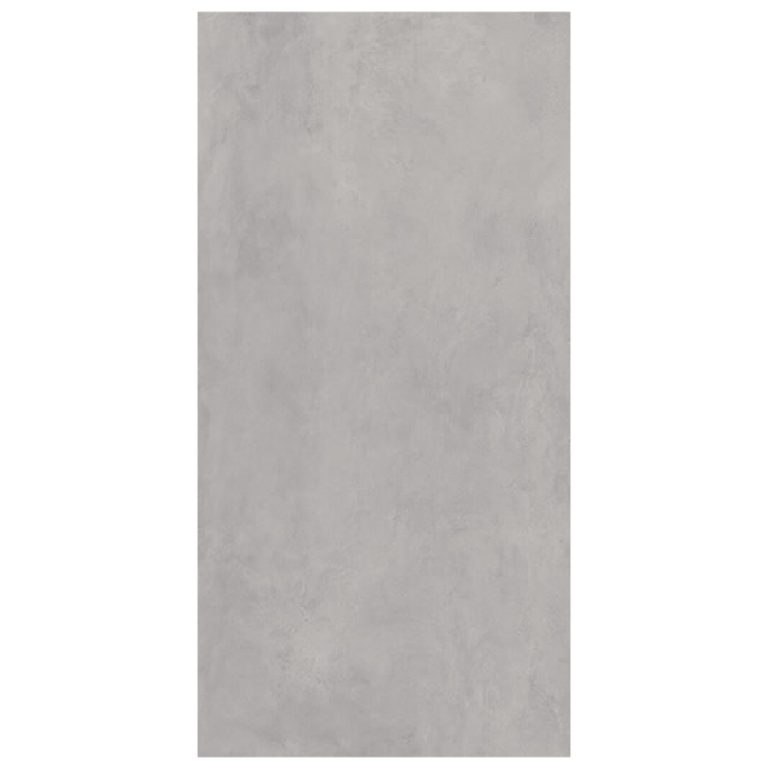
The Concept: This involves using the exact same material on the floor and the walls. Large-format porcelain slabs (120x240cm or larger) are used to minimize grout lines.
Visual Impact: It erases visual boundaries. When the floor flows seamlessly into the wall without interruption, the room expands visually, appearing significantly larger and more cohesive.
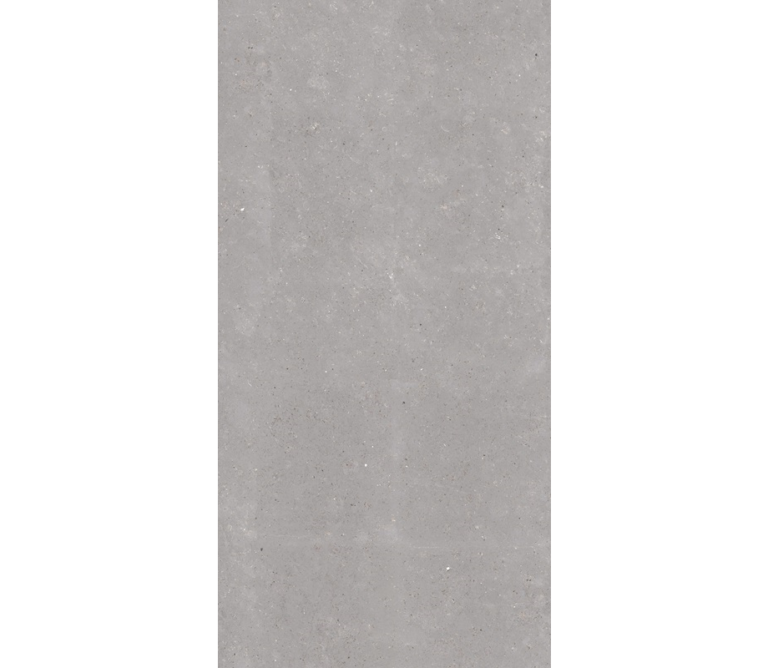
Best For: Small bathrooms, compact apartments, and modern kitchens. Concrete-effect or limestone-effect tiles work best for this style.
Color is back, but it is sophisticated and understated.
The Trend: We are seeing a return to pastels, but they are “dusty” and muted. Sage Green, Dusty Pink, and Sky Blue are the leaders.
The Role: These colors act as “new neutrals.” They introduce personality without chaos. A sage green kitchen backsplash acts as a neutral backdrop just as well as white, but with much more character.
Combination: These soft tones pair beautifully with the matte black fixtures or light oak wood furniture.
Are textured (tactile) tiles hard to clean? – Not necessarily. While “rough” textures like raw stone used to be difficult to maintain, modern 2026 manufacturing technologies (such as “Soft-Grip” surfaces) create tiles that feel textured to the touch but are smooth enough for easy mopping.
Can I use large-format “Total Look” tiles in a small bathroom? – Yes, absolutely. It is a common myth that small rooms need small tiles. Using large slabs reduces the number of grout lines, making the floor look less cluttered and visually expanding the space.
Is the “Gold Veining” marble trend expensive? – Real marble with gold deposits is incredibly rare and expensive. However, the trend for 2026 relies on high-quality porcelain stoneware that mimics this look perfectly, making luxury accessible for most budgets.
What is the best tile color for a dark room in 2026? – If your room lacks natural light, avoid dark greys. Follow the “Earthy Palette” trend: warm beige, sand, or light terracotta tiles reflect light much better and add warmth to a dark space.
Explore our catalog to find the latest collections matching these trends and create your dream interior today.
Previous PostPackaging Never Lies: An Expert's Guide to Decoding Product Symbols
Next PostHow to care for and clean ceramic tiles correctly














 EN
EN  KA
KA  RU
RU 