
Italian sofas with a balanced mix of comfort and style


Italian sofas with a balanced mix of comfort and style
























































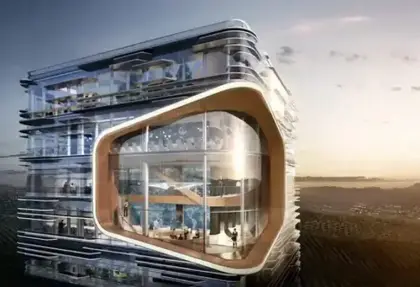 TBC ბანკის სათავო ოფისი
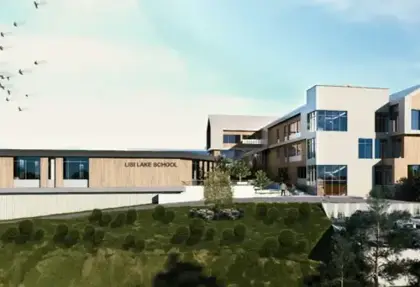 ევროპული სკოლა ლისზე
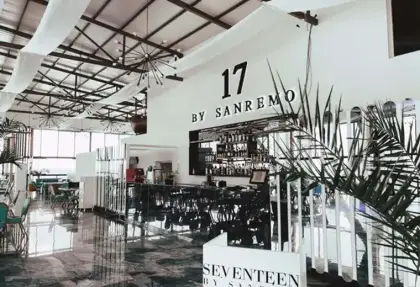 თბილისის ბალნეოლოგიური კურორტი
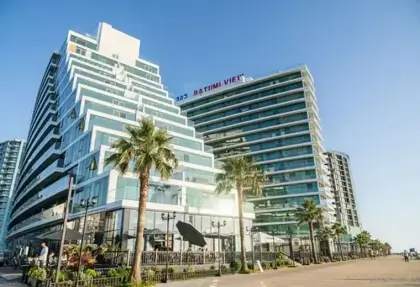 Batumi View - კომპლექსი
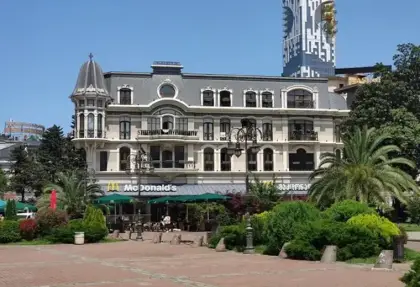 MCDONALD'S ბათუმი
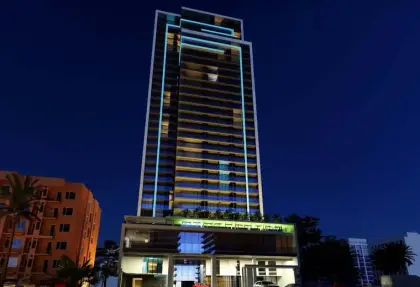 Kartuli Hotel - სასტუმრო
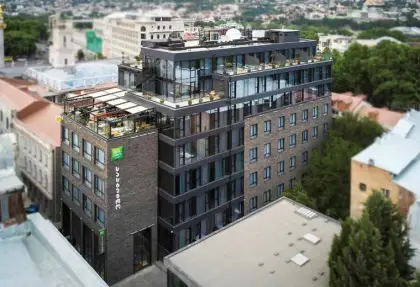 IBIS STYLES სასტუმრო - თბილისი
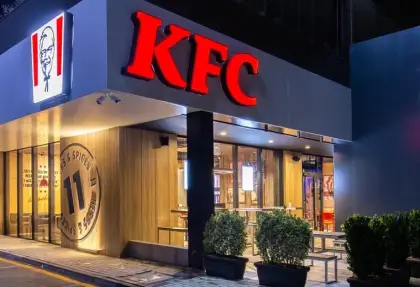 KFC რესტორნები - თბილისი, ბათუმი, რუსთავი
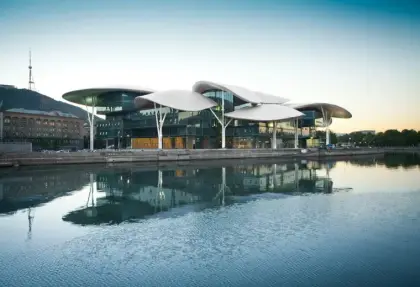 იუსტიციის სახლი - თბილისი
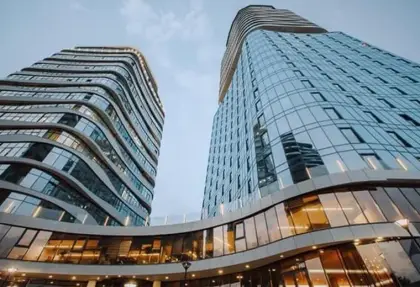 KING DAVID COMPLEX - თბილისი
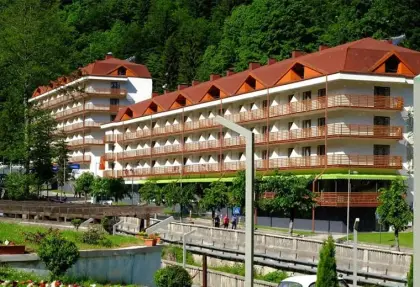 სასტუმრო - SAIRME RESORT
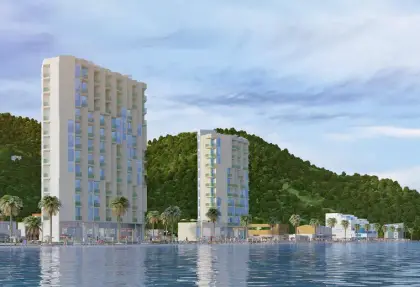 სასტუმრო - PANO გონიო, ბათუმი
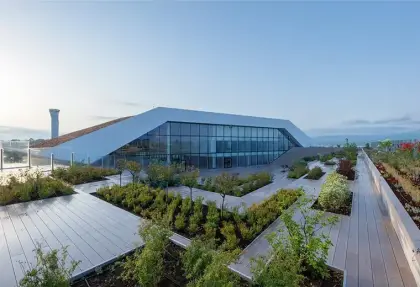 ქუთაისის საერთაშორისო აეროპორტი
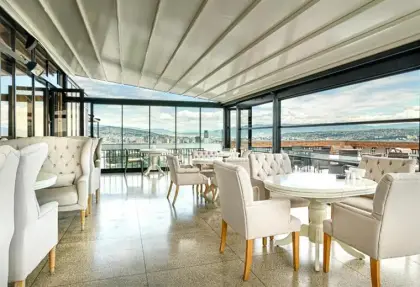 სასტუმრო TERRACE BOUTIQUE - თბილისი
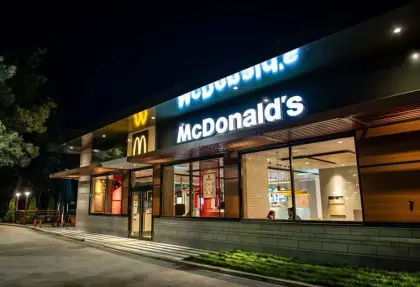 მაკდონალდსი, კახეთის გზატკეცილი
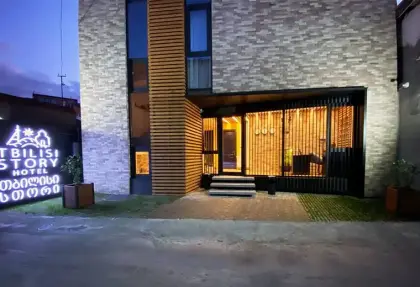 სასტუმრო TBILISI STORY - თბილისი
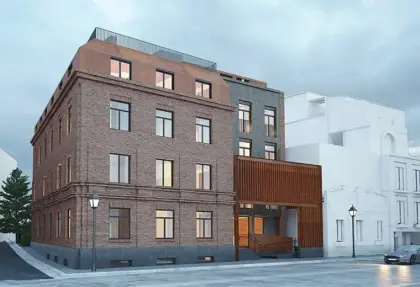 სასტუმრო მონარქი - თბილისი
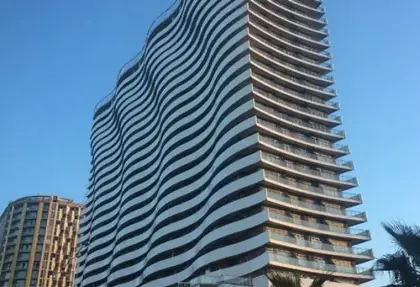 სასტუმრო SKY INN - ბათუმი
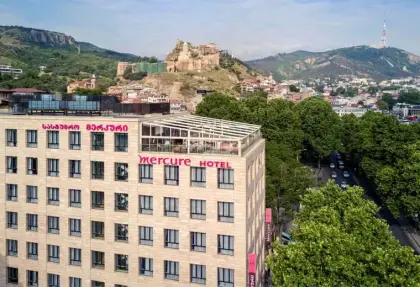 სასტუმრო მერკური - თბილისი
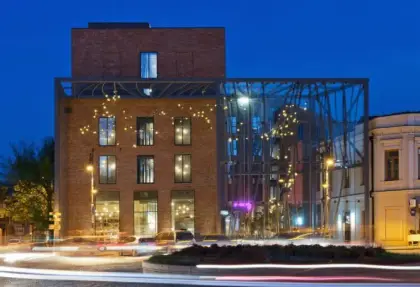 MOXY სასტუმრო მერიოტი - თბილისი
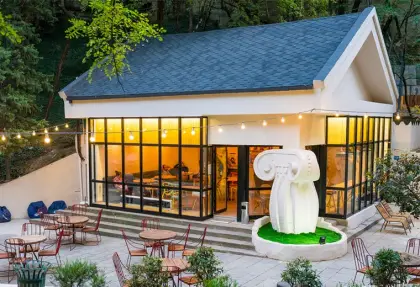 ახალი მზიური კაფე - თბილისი
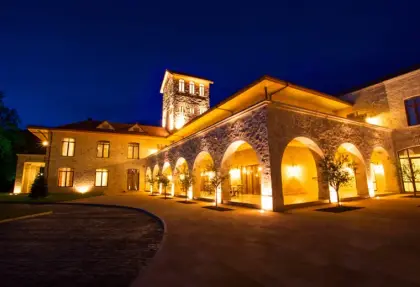 სასტუმრო "ყვარლის ედემი" - კახეთი
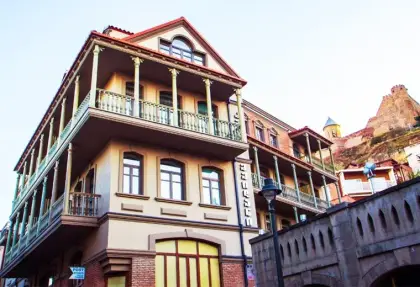 ძველი მეიდანი სასტუმრო - თბილისი
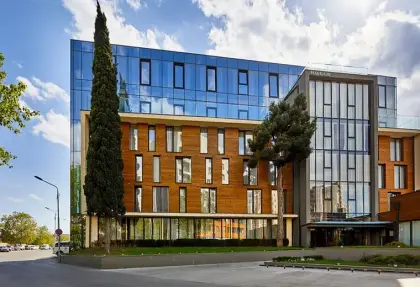 სასტუმრო IVERIA INN - თბილისი
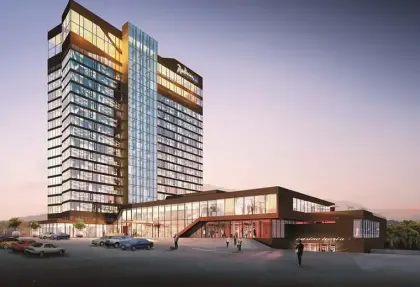 RADISSON BLU IVERIA HOTEL - თბილისი
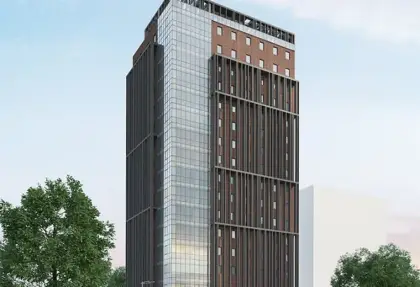 სასტუმრო IBIS RED თბილისი
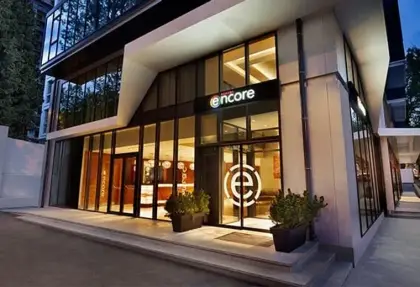 RAMADA ENCORE სასტუმრო - თბილისი
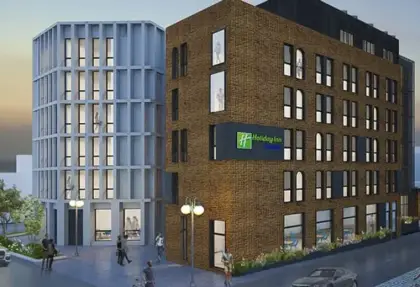 სასტუმრო HOLIDAY INN - ავლაბარი
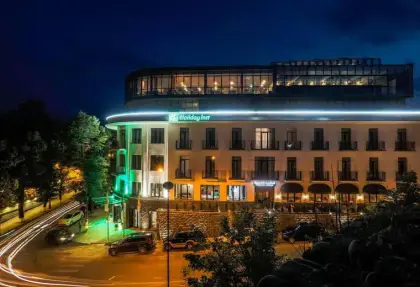 სასტუმრო HOLIDAY INN - თელავი
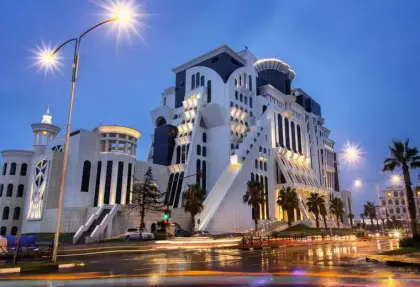 სასტუმრო GRAND GLORIA - ბათუმი
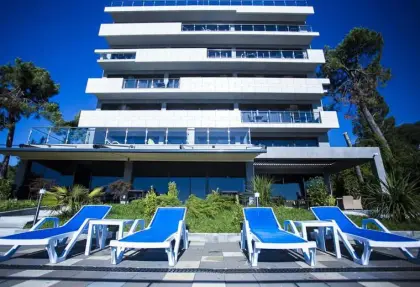 სასტუმრო გონიოში - GONIO INN
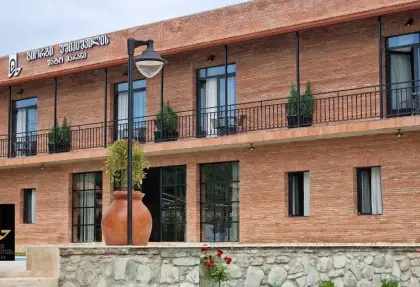 სასტუმრო გიორგი უშიკიშვილის შატო მარანი
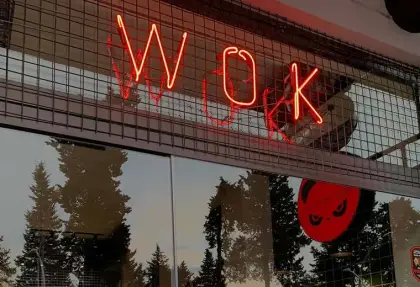 REDPANDA WOK რესტორანი - ბათუმი
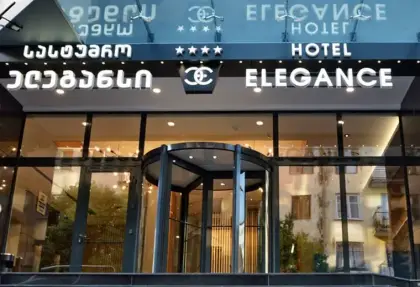 სასტუმრო ELEGANCE - ბათუმი
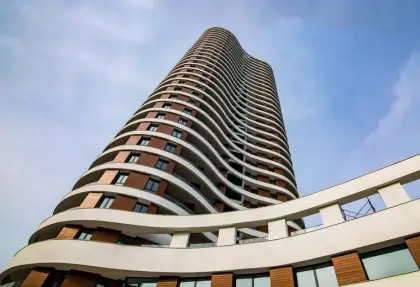 საცხოვრებელი კომპლექსი თბილისი - GARDENS
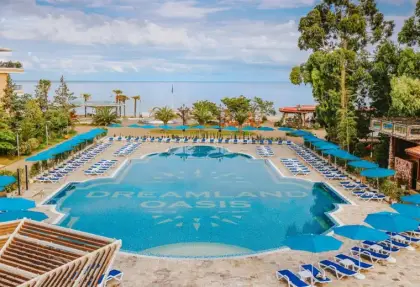 სასტუმრო DREAMLAND OASIS - ჩაქვი
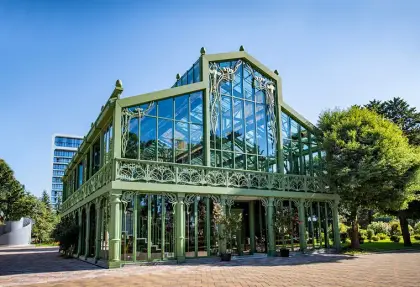 რესტორანი AMBASSADOR - ბათუმი
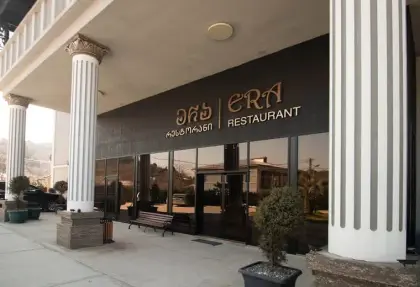 რესტორანი ERA - ბათუმი
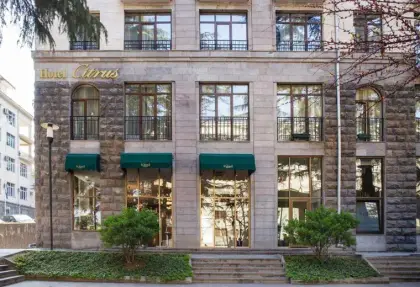 სასტუმრო CITRUS თბილისი
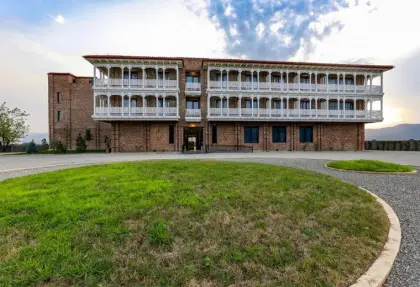 სასტუმრო CHATEAU ART WINE - კახეთი
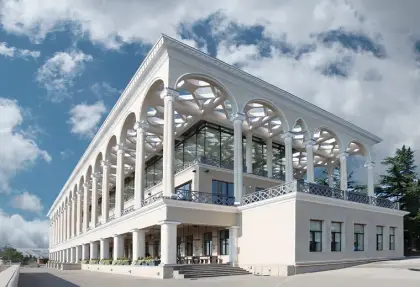 რესტორანი ფუნიკულიორი - თბილისი
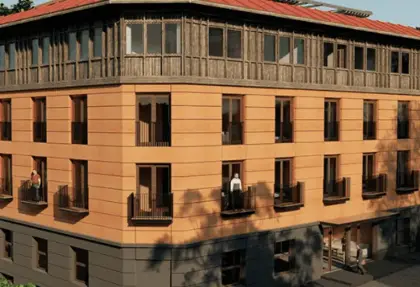 სასტუმრო CATHEDRAL INN - თბილისი
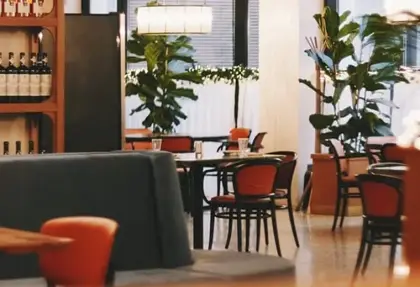 რესტორანი ORO • ORO - თბილისი
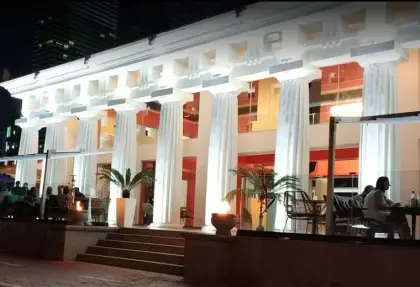 რესტორანი VERANDA ACROPOLIS - ბათუმი
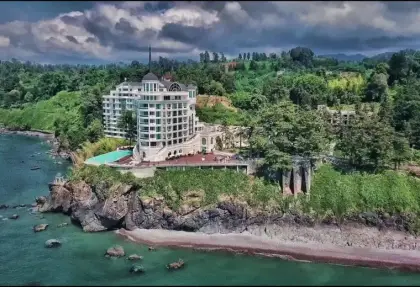 სასტუმრო CASTELLO MARE - ციხისძირი
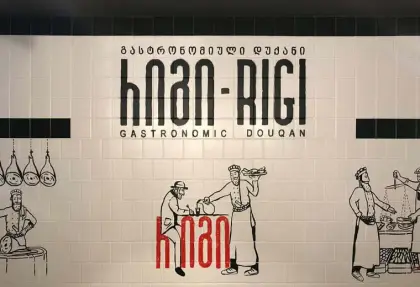 რიგი GASTRONOM - თბილისი
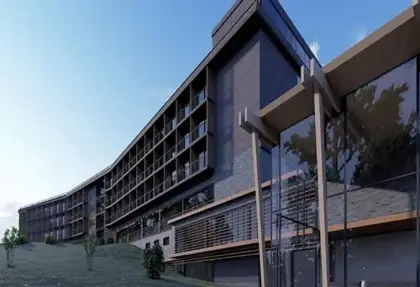 სასტუმრო ბოდბე-სიღნაღი
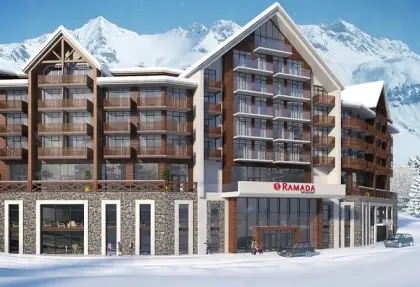 სასტუმრო ALLIANCE RESORT - გოდერძის კურორტი
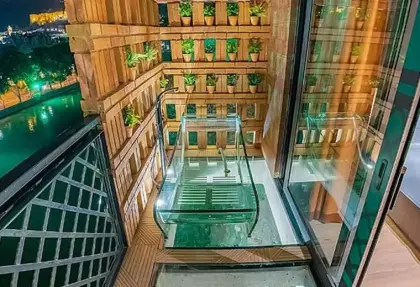 SANDALI BOUTIQUE HOTEL - თბილისი
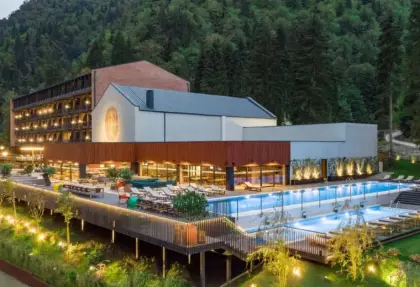 სასტუმრო "ახალი საირმე" - საირმე
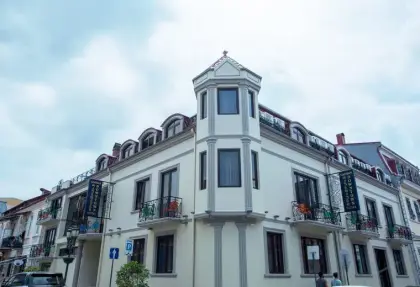 სასტუმრო DOWNTOWN - ბათუმი
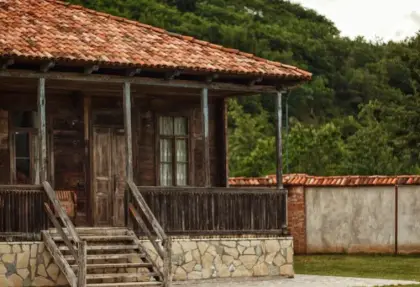 სასტუმრო - საზანოს ღვინო
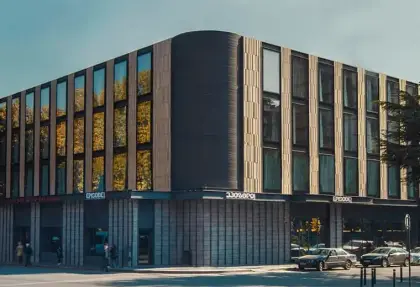 სასტუმრო EPISODE - თბილისი
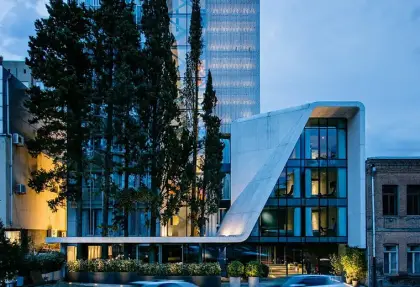 THE GROVE DESIGN სასტუმრო - თბილისი
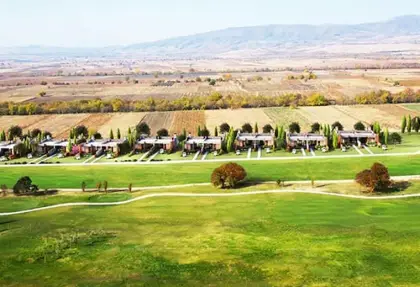 კაჭრეთის ამბასადორის ვილები
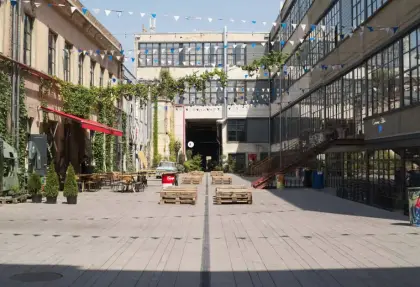 ჰოსტელი FABRIKA - თბილისი
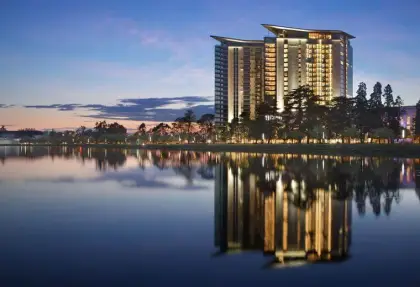 HILTON HOTEL - ბათუმი
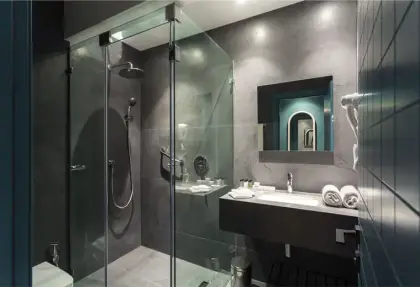 სასტუმრო ზეგ - თბილისი
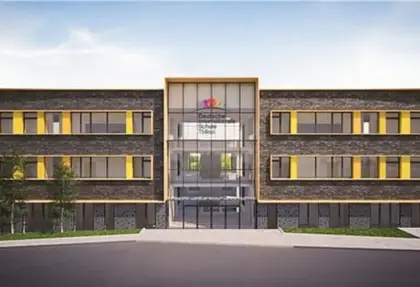 გერმანული სკოლა - თბილისი
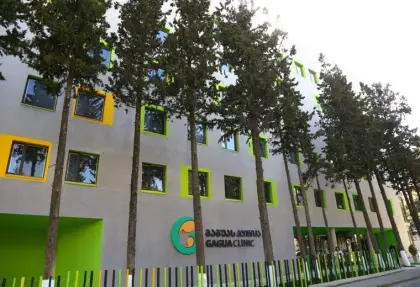 გაგუას კლინიკა
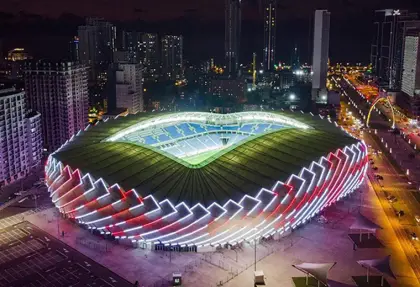 საფეხბურთო სტადიონი - ბათუმი
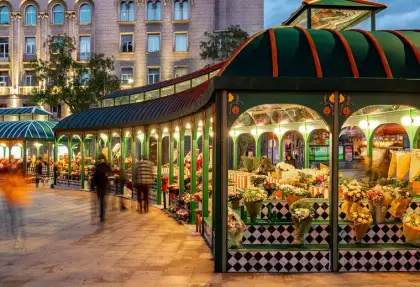 ყვავილების პავილიონი ორბელიანის მოედანზე
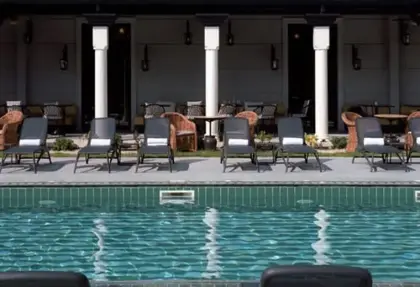 ESQUISSE BOUTIQUE HOTEL - თელავი
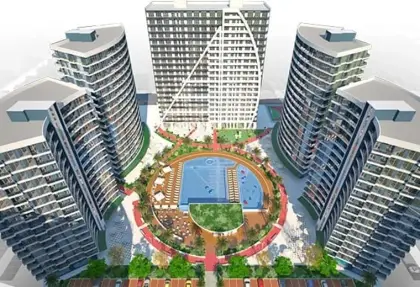 კომპლექსი WHITE SAILS - ბათუმი
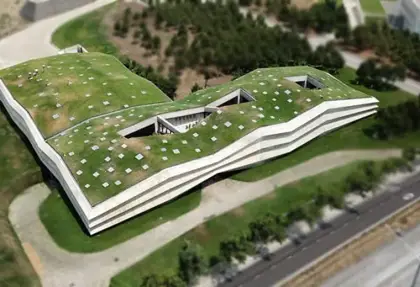 ყავის ქარხანა MEAMA - თბილისი
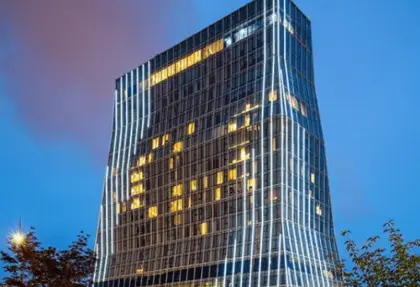 კაზინო ივერია - ბათუმი
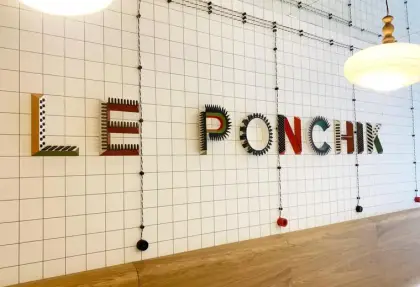 კაფე LE PONCHIK - თბილისი
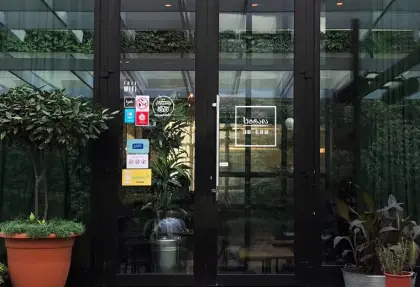 კაფე STRADA - თბილისი
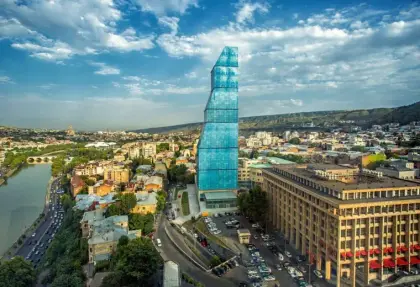 BILTMORE სასტუმრო - თბილისი
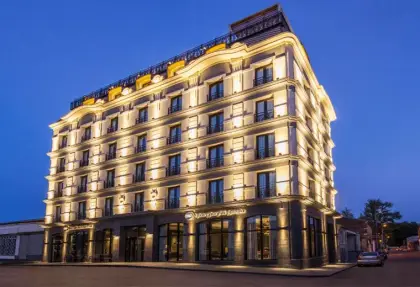 BEST WESTERN HOTEL - ბათუმი
 ბათუმის საერთაშორისო აეროპორტი
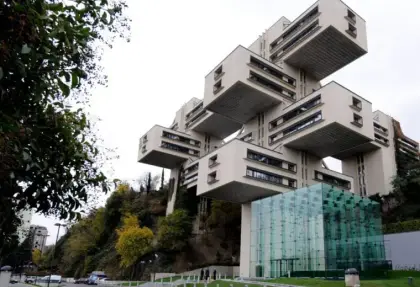 საქართველოს ბანკი - სათაო ოფისი
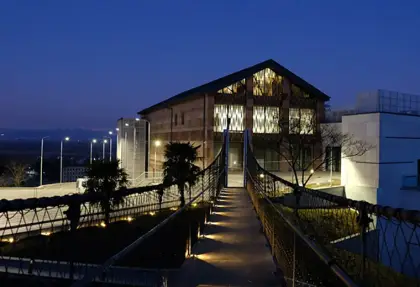 ვანის არქეოლოგიური მუზეუმი
A wide selection of tiles, beautiful collections, and attentive consultants.
Ana B.Google★★★★★A broad selection, thoughtful consultants, and good after-sales service.
Maksim GorbiGoogle★★★★★I am very happy with the consultation. Wishing you success.
Giorgi GoderdzishviliGoogle★★★★★Excellent service and high-quality products.
Naniko JolokhavaGoogle★★★★★Complete information, attentive consultation, and courteous service.
Giorgi Goglidze



















 What is a siphon: the complete guide to the bathroom and kitchen
 Interior trends that will remain relevant even after years
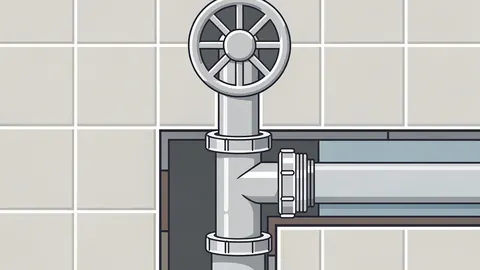 Bathroom trap: how to choose for shower and floor
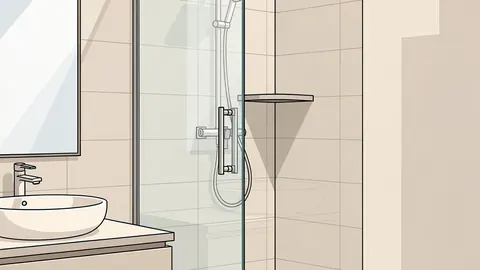 Shower cabin: dimensions, glass, floor and system
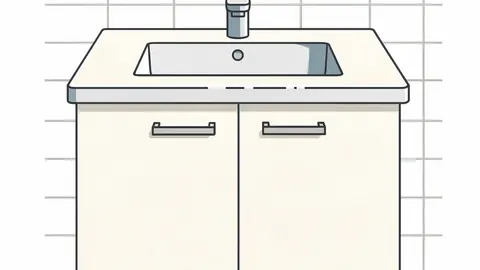 Toilet and bathroom sink: types, sizes and siphon
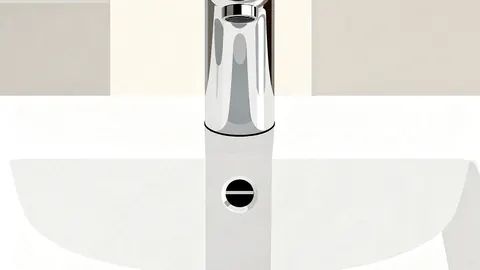 Bathroom faucet: how to choose the right one
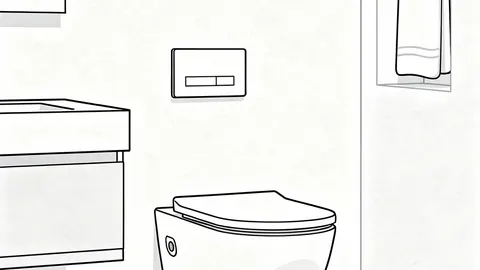 Toilet: wall-hung, floor-standing and installation options