Anyone interested in interior design knows the golden rule: a mirror makes a room look larger than it actually is. However, introducing this item into your own space requires calculation. It’s not just about hanging glass on a wall; it’s about strategy.
“Mirrors are the most affordable way to brighten a dark room or expand a space, but you need to know how to use them to achieve your goal,” says Vern Yip, a famous interior designer and HGTV host.
So, how do you choose the right mirror? Here is the expert guide.
1. Frame and Size: The Bigger, The Better
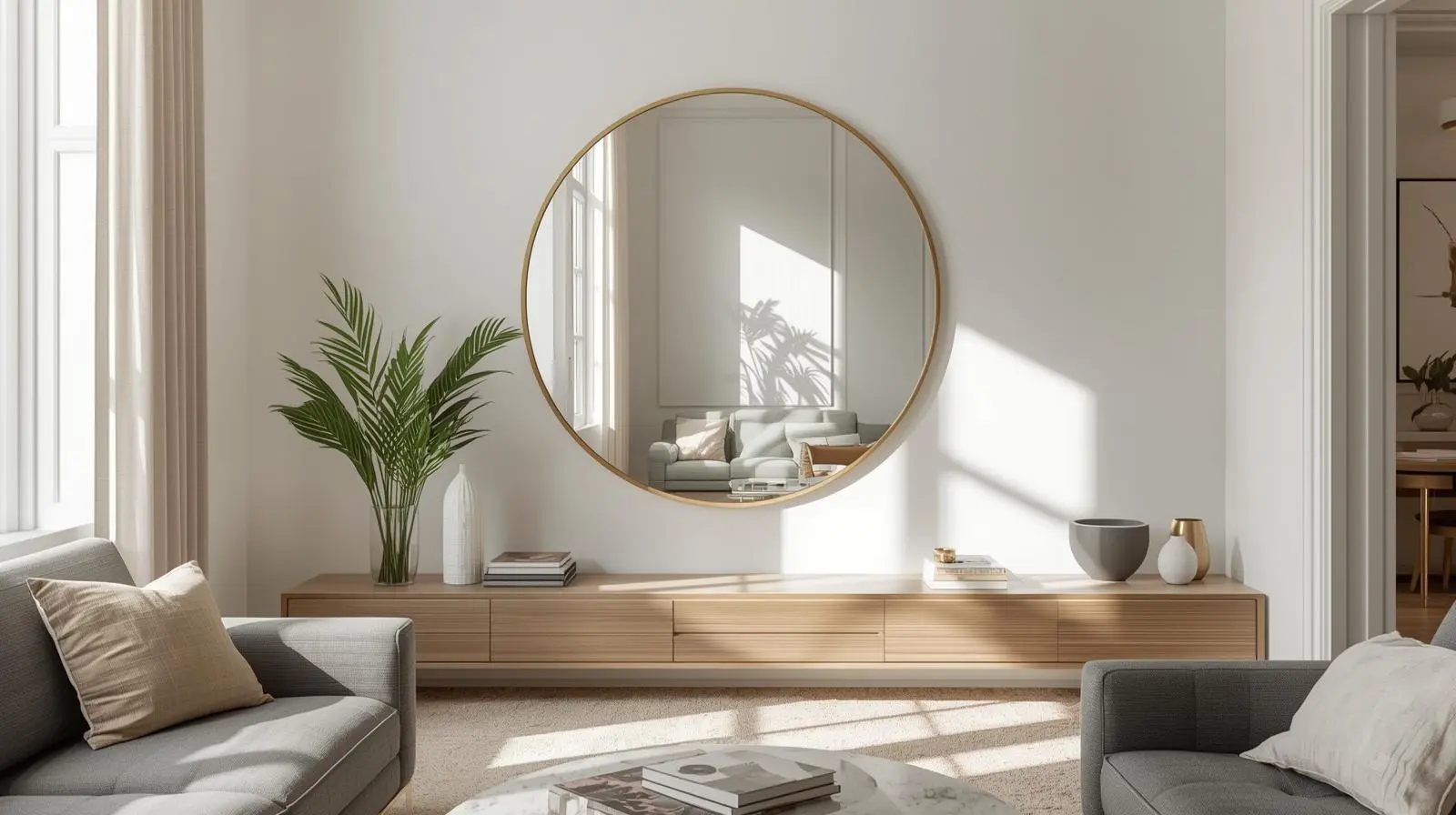
Many people make the mistake of choosing a small mirror or trying to group many tiny mirrors together. In reality, one large mirror is the key.
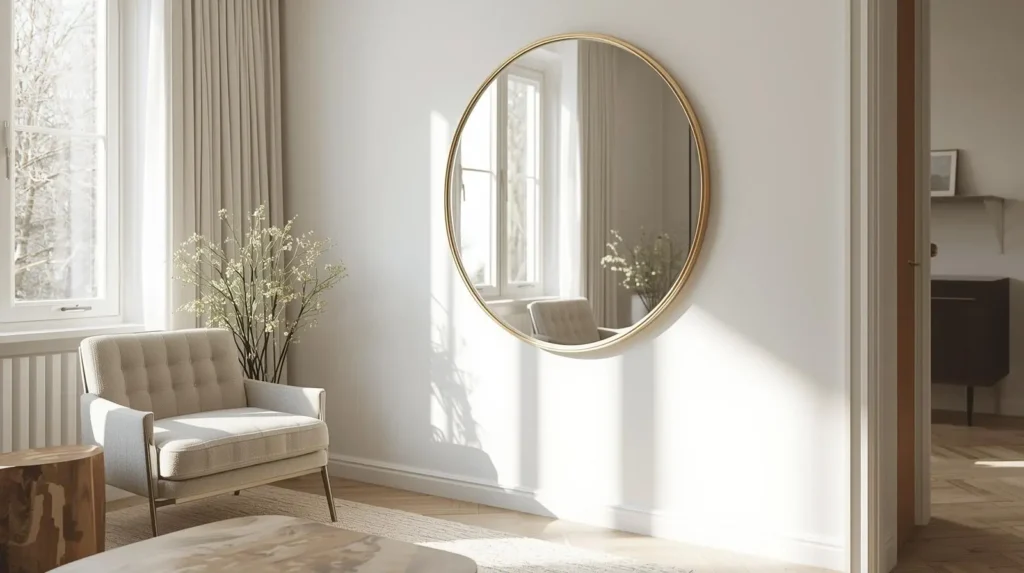
The Effect: A large mirror acts like an additional window. It tricks the eye into thinking the room continues beyond the wall.
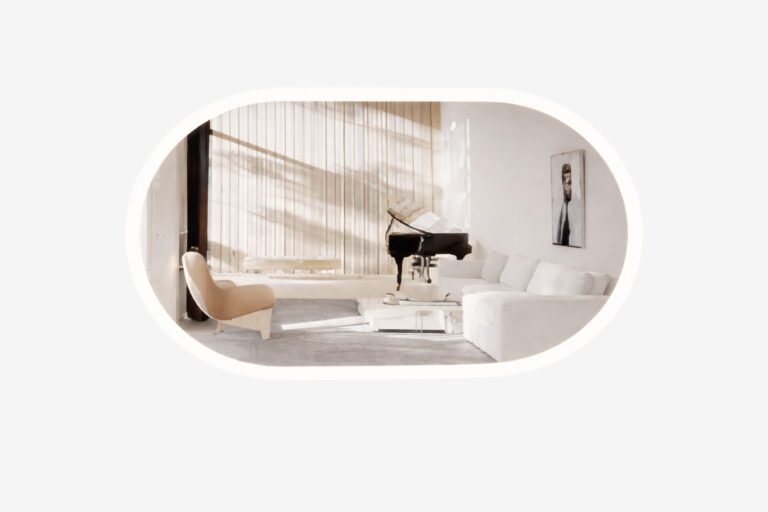
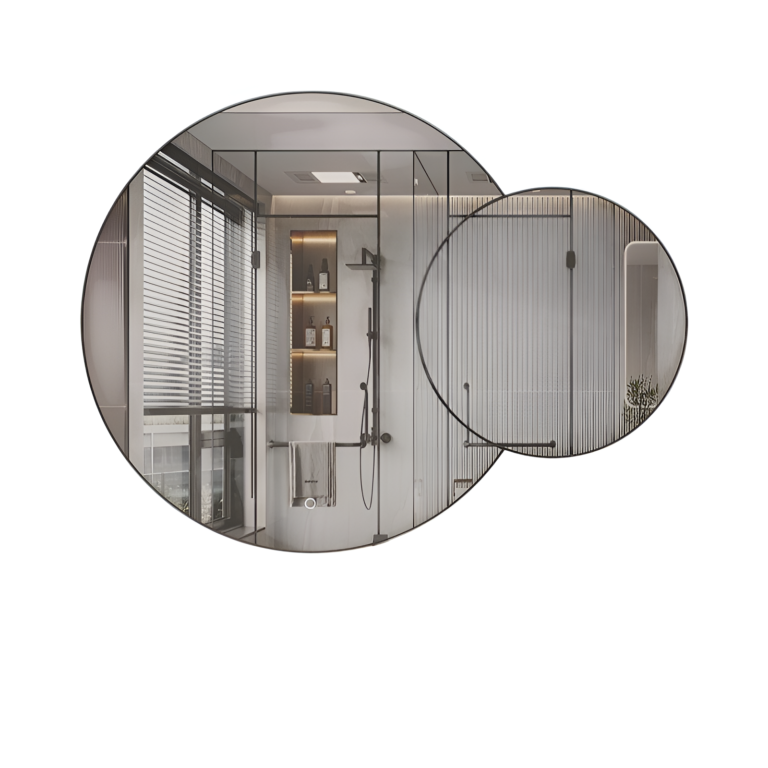
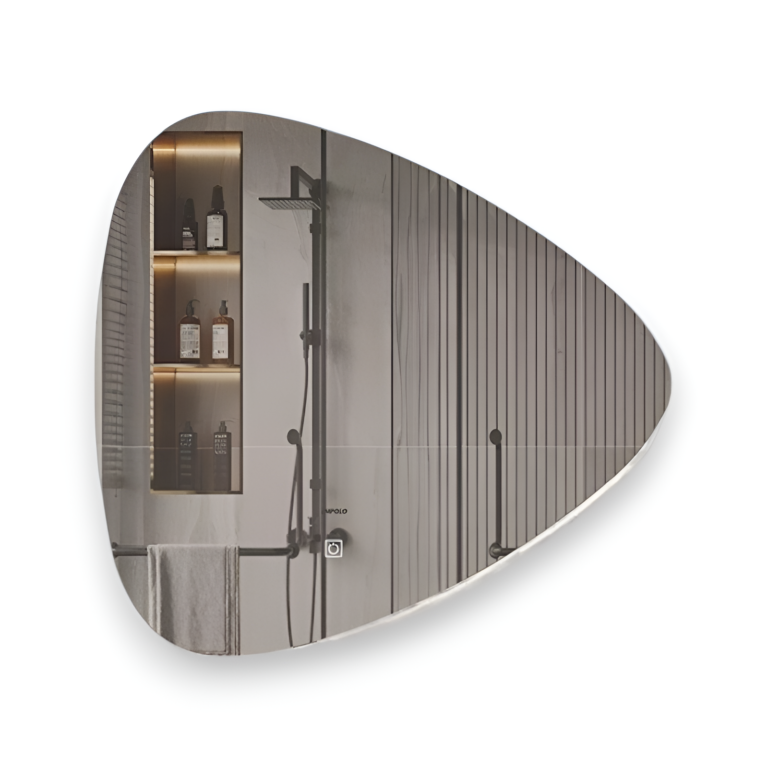
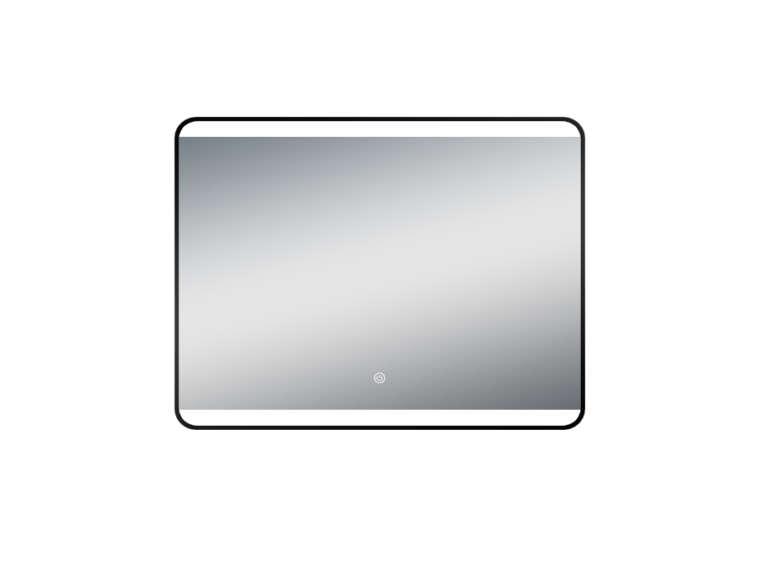
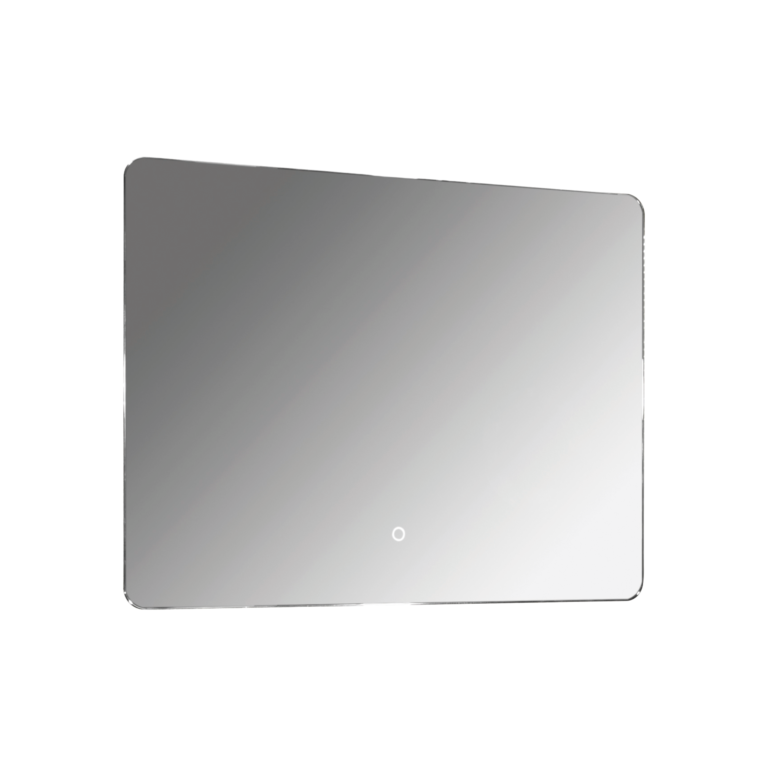
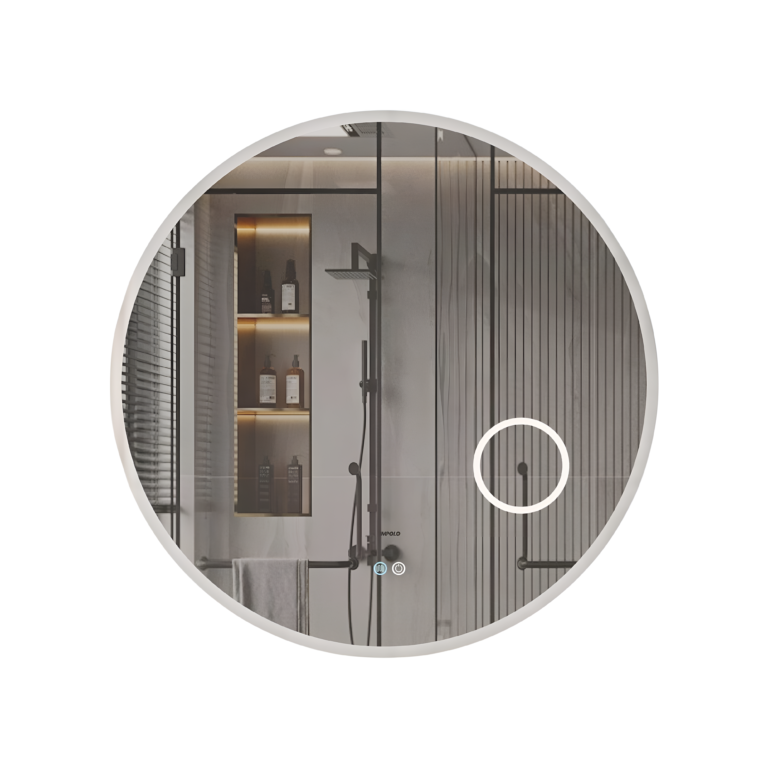
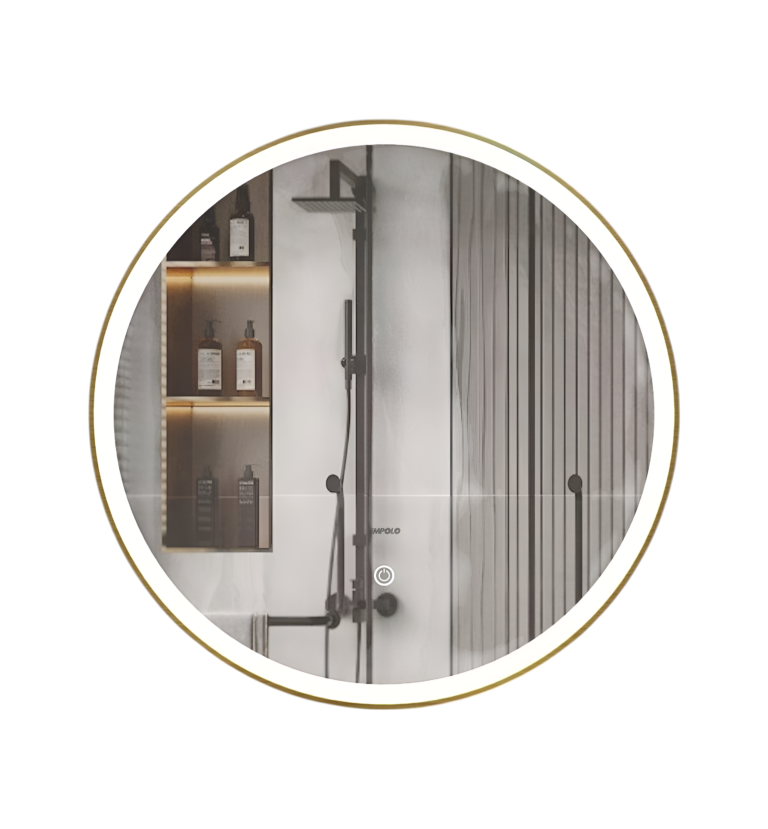
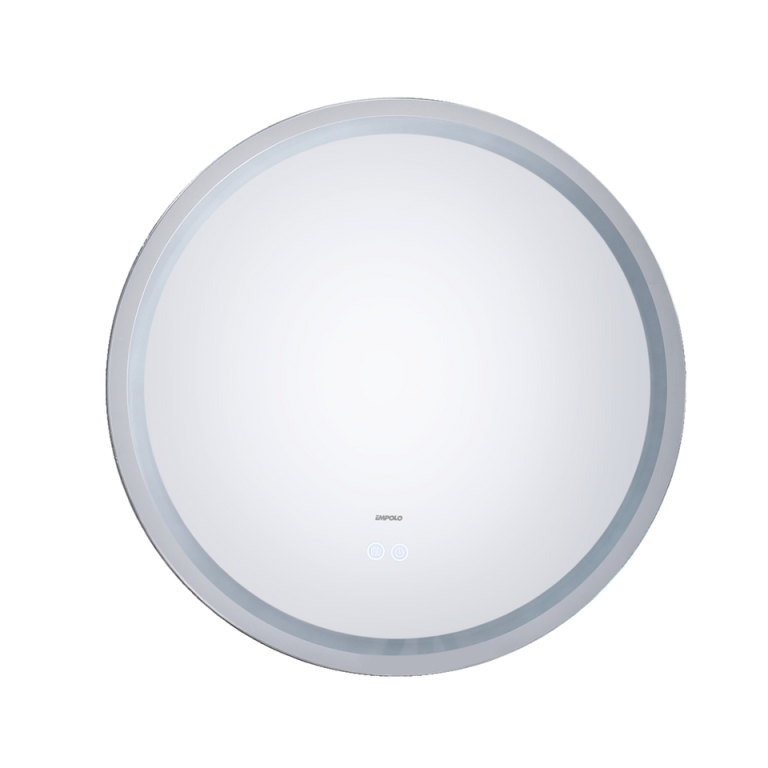
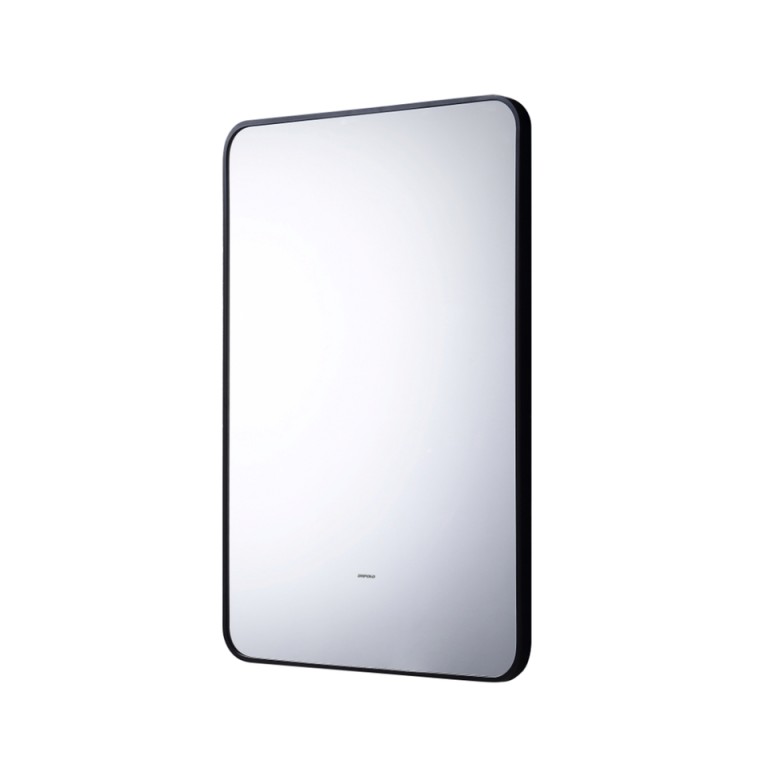
The Frame: To maximize this “infinity effect” in small spaces, choose a mirror with a very thin, simple frame (or frameless). A heavy, thick frame can trap the view and make the room feel cluttered. Both round and rectangular shapes work, provided they are large enough.
2. Height: The 155cm Rule
Unless you are hanging a mirror above a fireplace mantel, getting the height right is crucial.
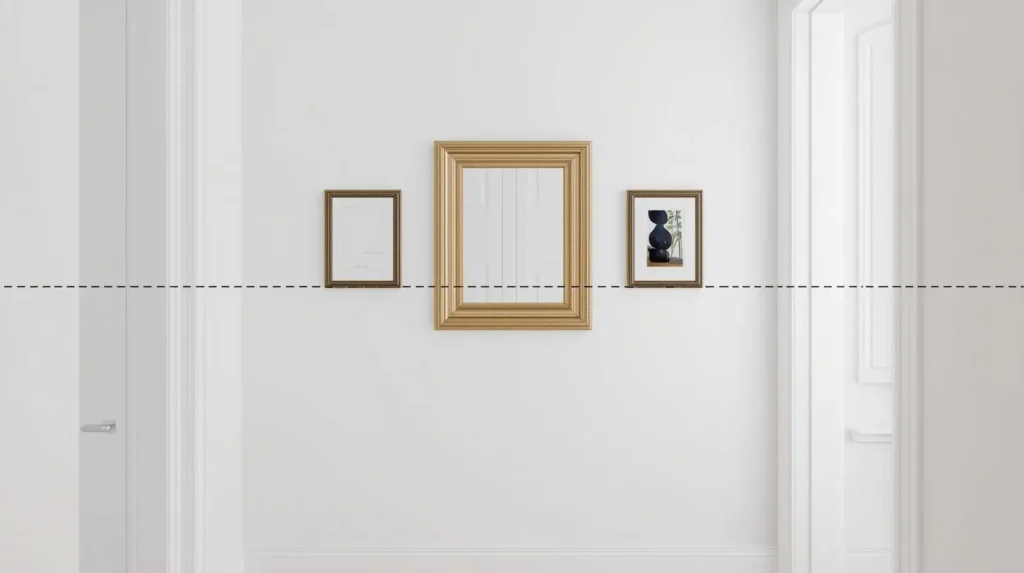
The Golden Mean: The optimal placement is at the eye level of an average-height person. Roughly speaking, measure 155 cm (approx. 60-61 inches) from the floor to the center of the mirror.
Continuity: If you plan to hang art or posters alongside the mirror, apply this same rule. Having all wall accessories centered at the same height creates a “thread of continuity” that ties the room together, making it feel organized and spacious.
Breathing Room: Don’t fill the wall completely. Experts recommend leaving a border of at least 5 cm from the edge of the mirror to the ceiling or adjacent walls.
3. Light and Reflection
A mirror reflects light, adding brightness and a sense of airiness to the atmosphere.
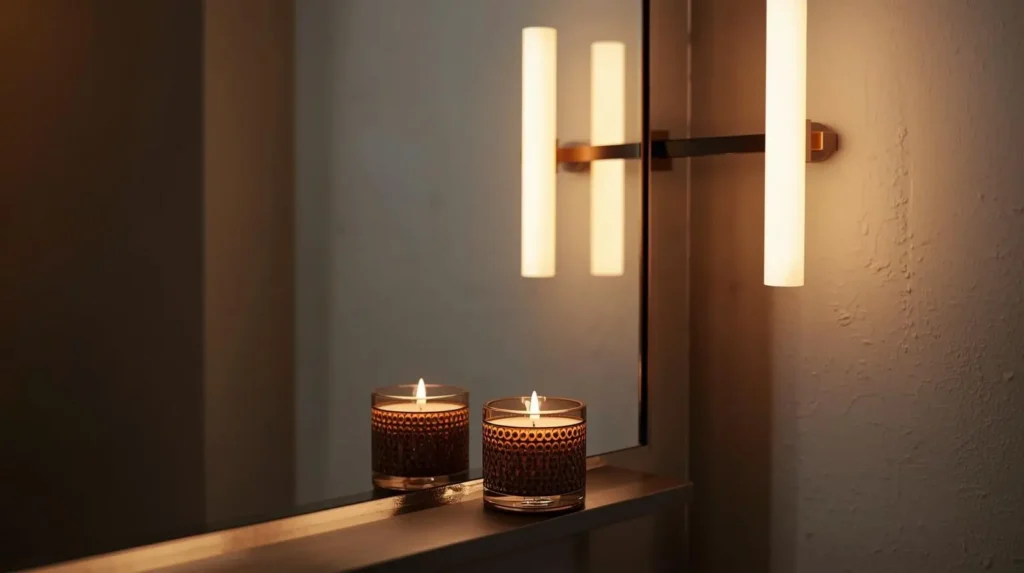
Artificial Light: Placing a sconce or a table lamp near a mirror doubles the light source.
Candlelight: A classic trick for bathrooms or bedrooms is to place a candle holder near the mirror. In the evening, the flickering flame reflects beautifully in the glass, adding an exotic and cozy touch to wet zones or relaxation areas.
4. Smart Design: Dual Functionality
For tight spaces like entryways or corridors, functionality is just as important as aesthetics.
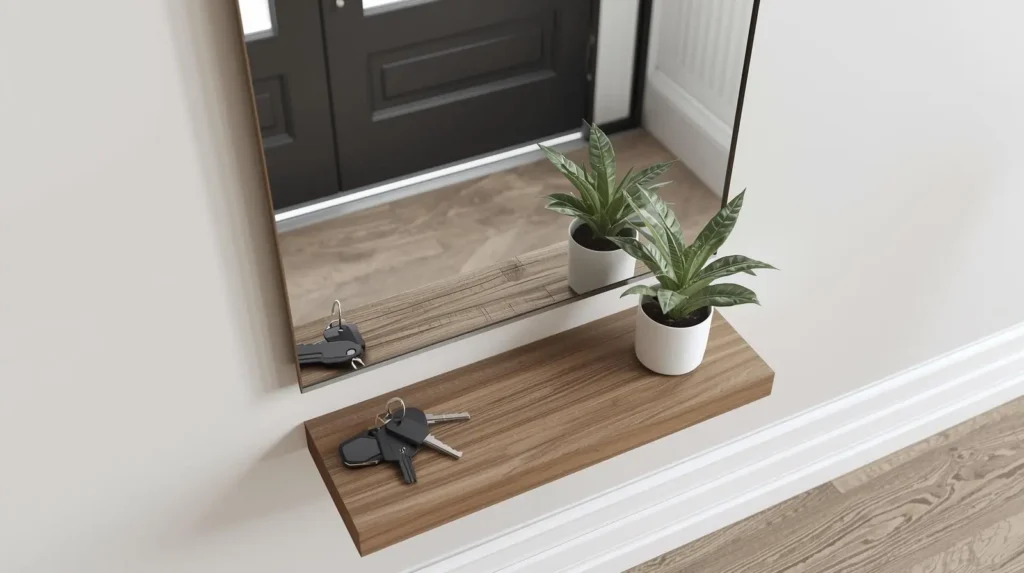
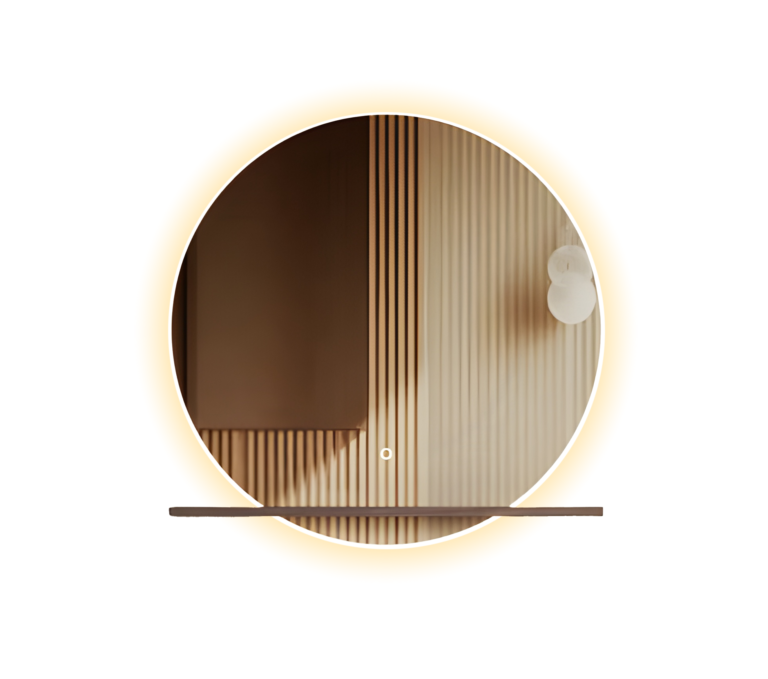
2-in-1 Solutions: Choose a mirror that comes with a built-in shelf or hooks. This eliminates the need for a separate console table, saving precious floor space while adding a unique design element.
Placement Tip: In narrow hallways, hang a mirror on the wall opposite the door or window. This reflects the opening, instantly pushing the walls back visually.
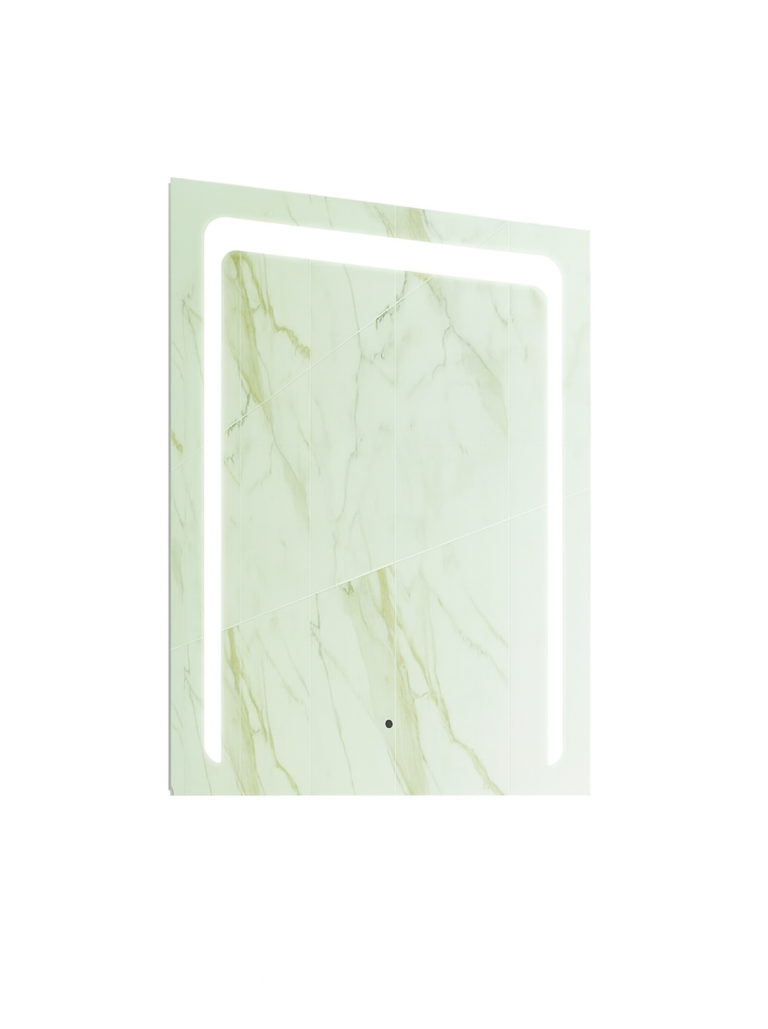
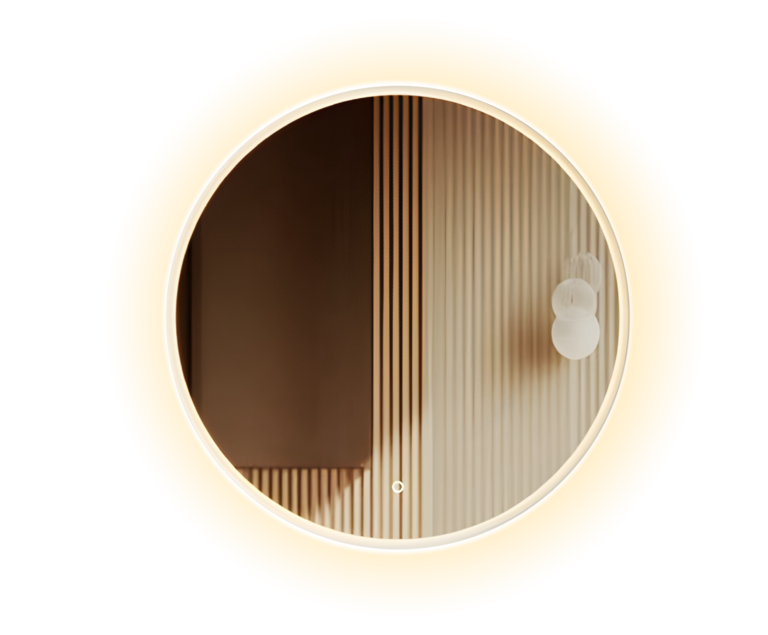
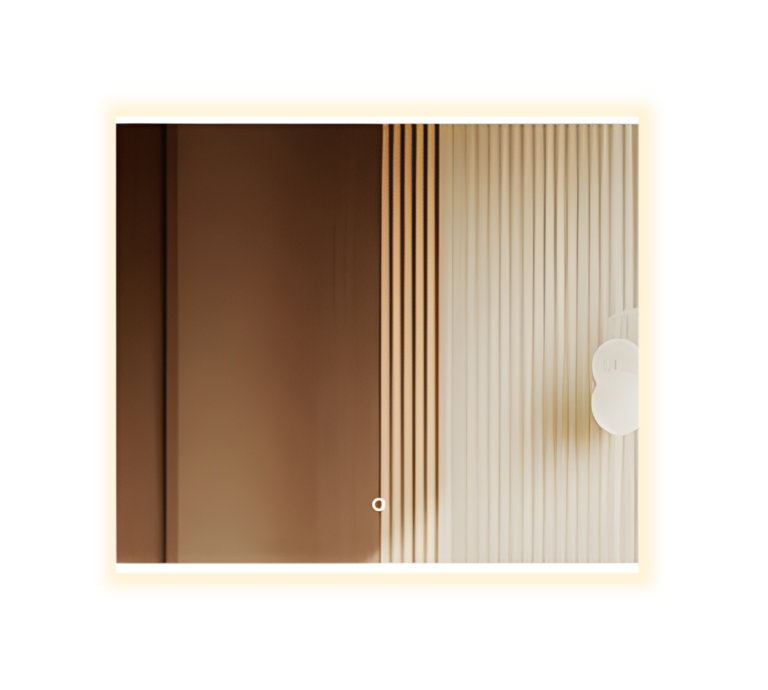
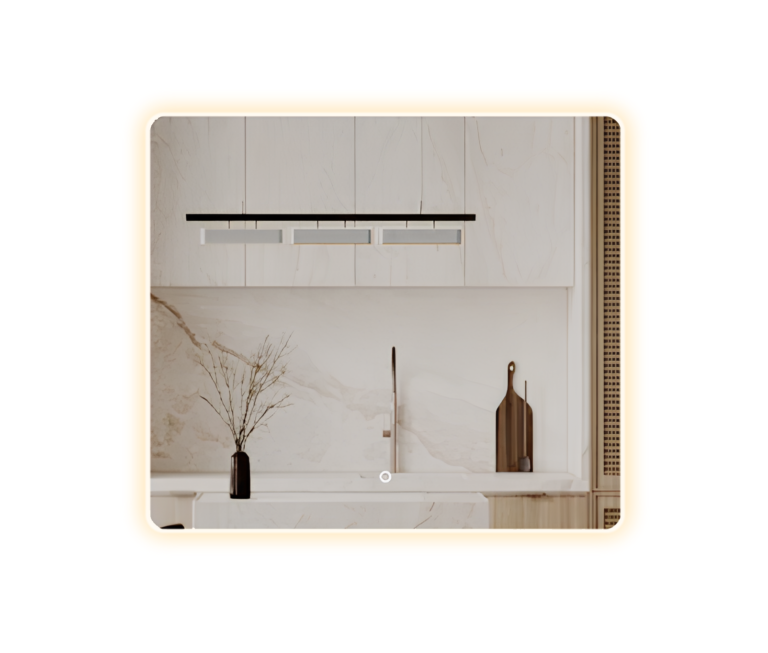
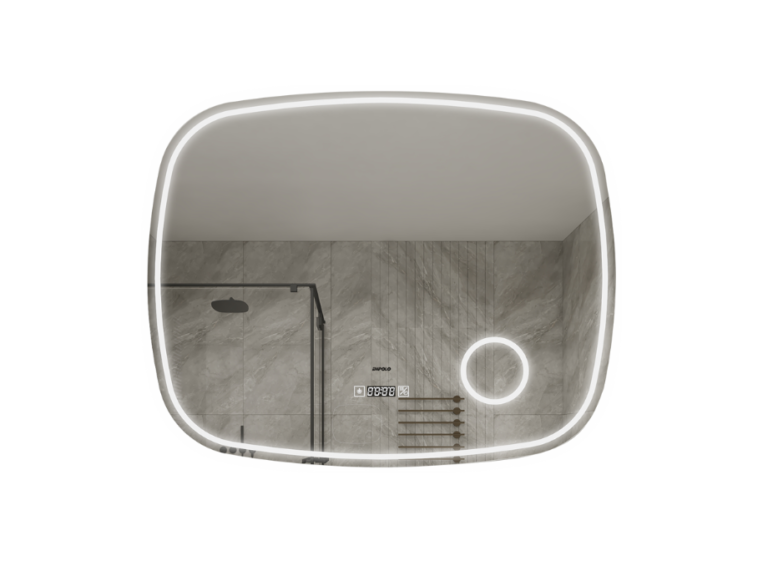
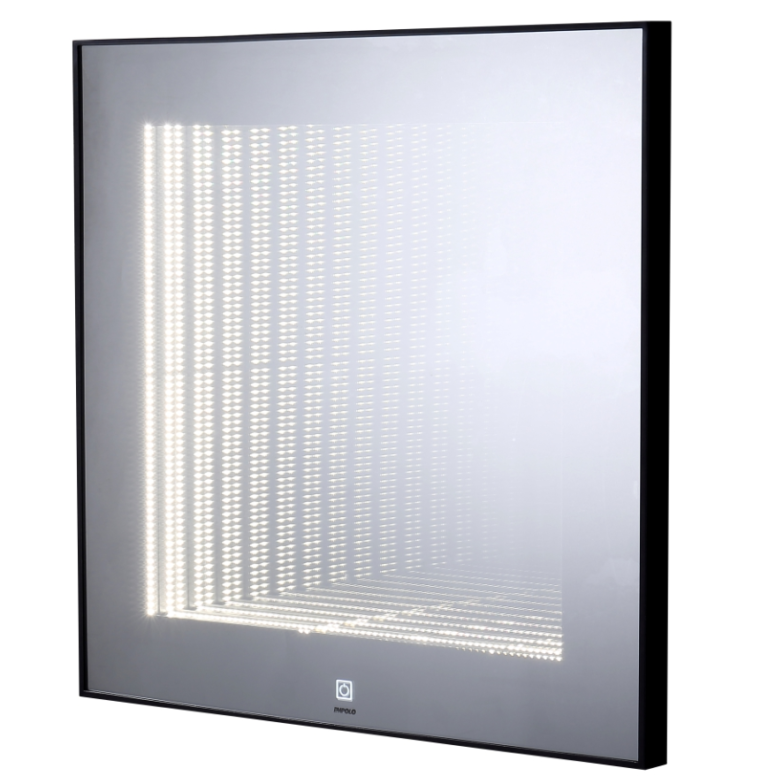
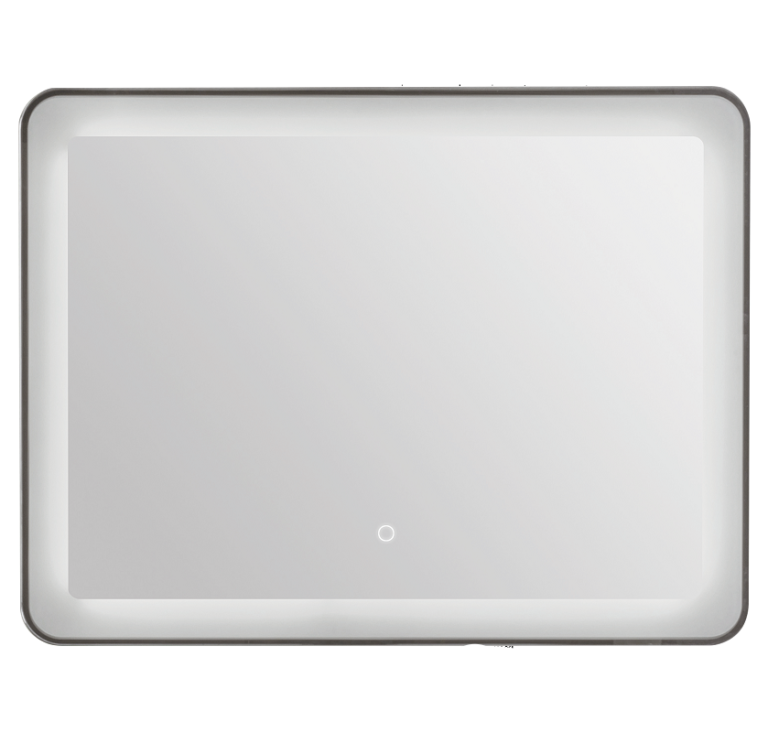
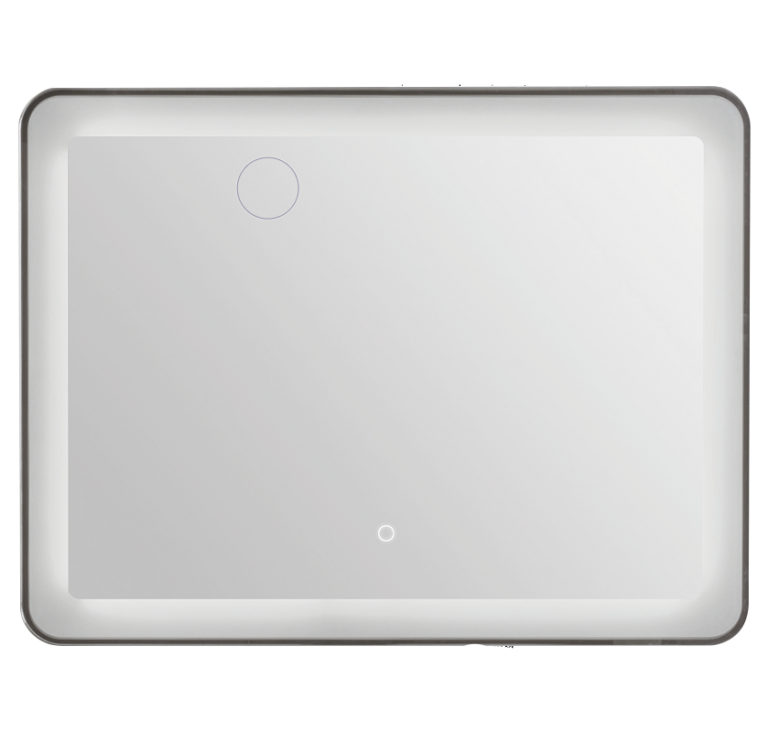
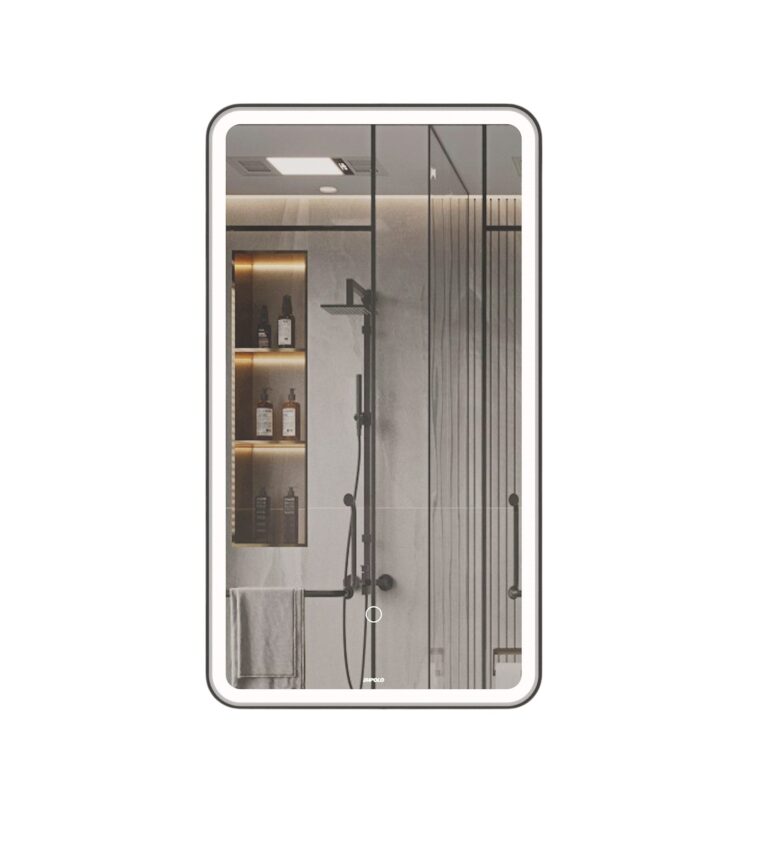
🛍️ Illuminate the Space: Browse mirrors with built-in LED lighting and matching sconces here:
Conclusion A mirror is not just an accessory; it is an architectural tool. To find the perfect shape and size that will open up your home, explore the diverse collection at Merlons.
Frequently Asked Questions (FAQ)
Can I hang a mirror opposite a window? – Yes, this is one of the best locations! It reflects natural light deep into the room and reflects the outdoor view, acting like a second window.
How do I clean a mirror without streaks? – Use a microfiber cloth and a mixture of water and vinegar (or specialized glass cleaner). Wipe in a zig-zag motion, not circles, to avoid streaks.
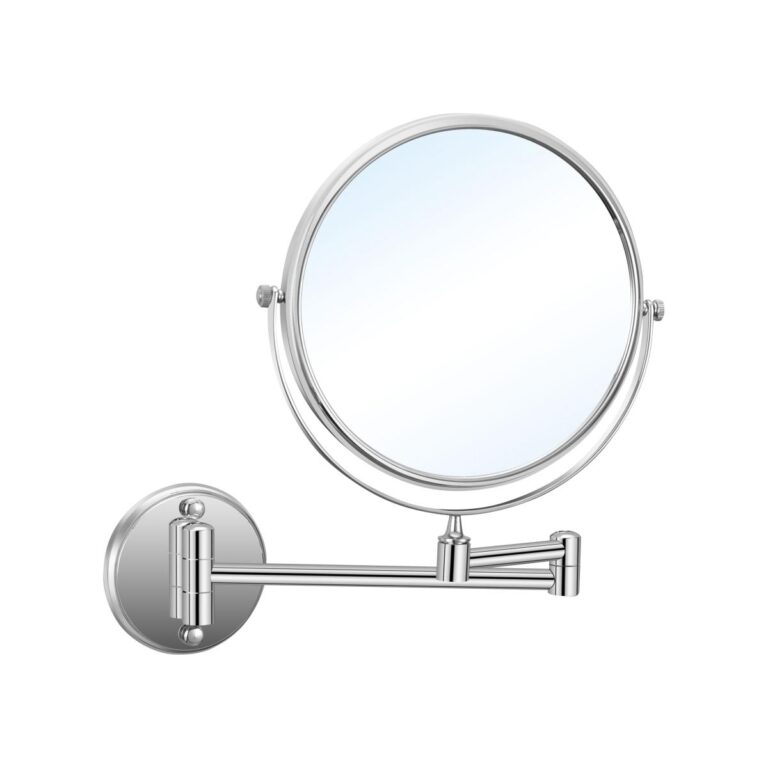
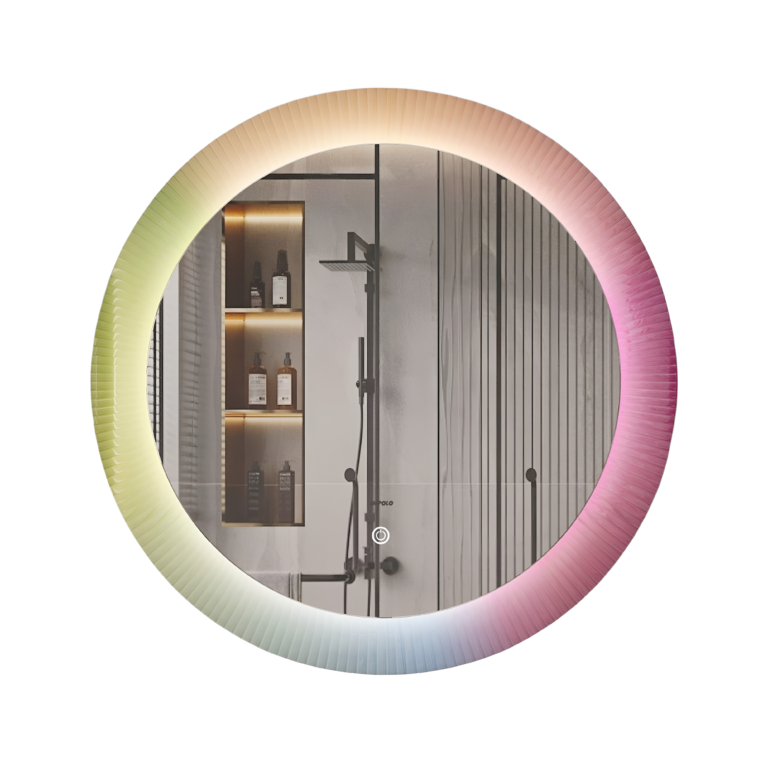
Is a round or rectangular mirror better for a small room? – Both work, but round mirrors introduce softness to a room full of straight lines (like cabinets and sofas), while rectangular mirrors are better for maximizing the reflection area.
Previous PostRenovation Timeline: At What Stage Do You Need Finishing Materials?






 EN
EN  KA
KA  RU
RU 