


Color and materials: what matters
The choice of color is correct when it is checked together with materials and lighting. Beige, white, black and gray look completely different in daylight, warm LED and shop lighting.
Many people look for a specific color, for example a beige color or a white kitchen, but the final result is not created by the color alone. The texture and light are just as strong.
How to choose correctly
Choose a main color, a secondary color and one accent. Thus, the interior is more balanced and the mixing of materials does not seem accidental.
The right choice begins not with one beautiful photo, but with questions: where will it be placed, who will use it, how often will it be cleaned and what should be done with the existing interior. So the color is no longer a random thing and becomes a part of the space.
Material, size and care
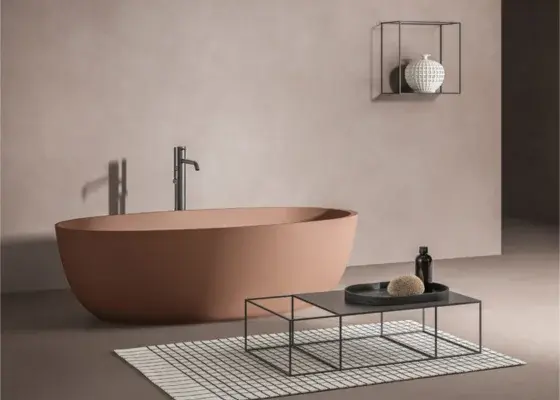
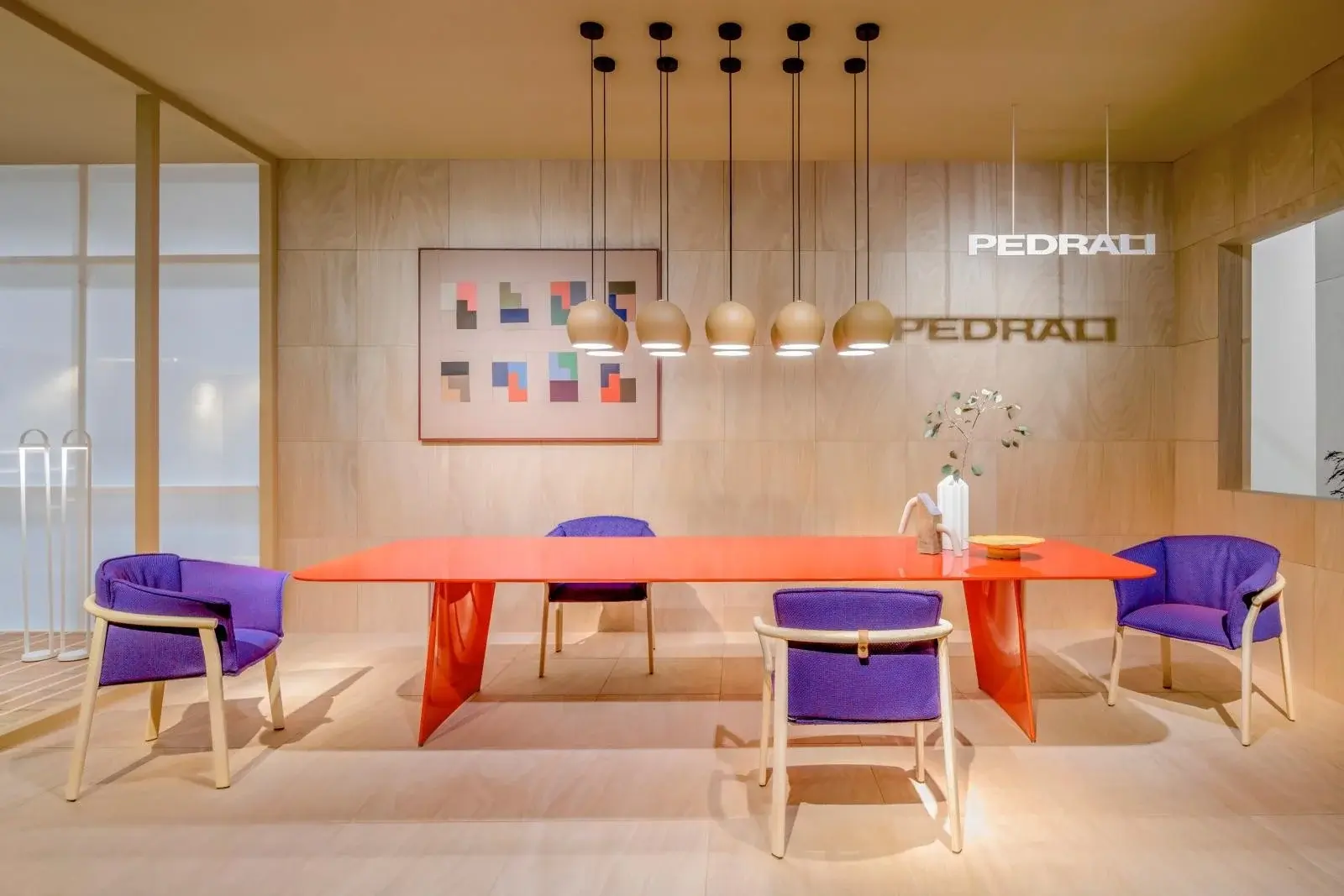
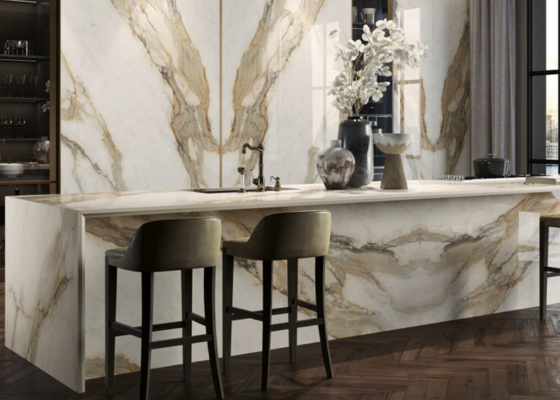
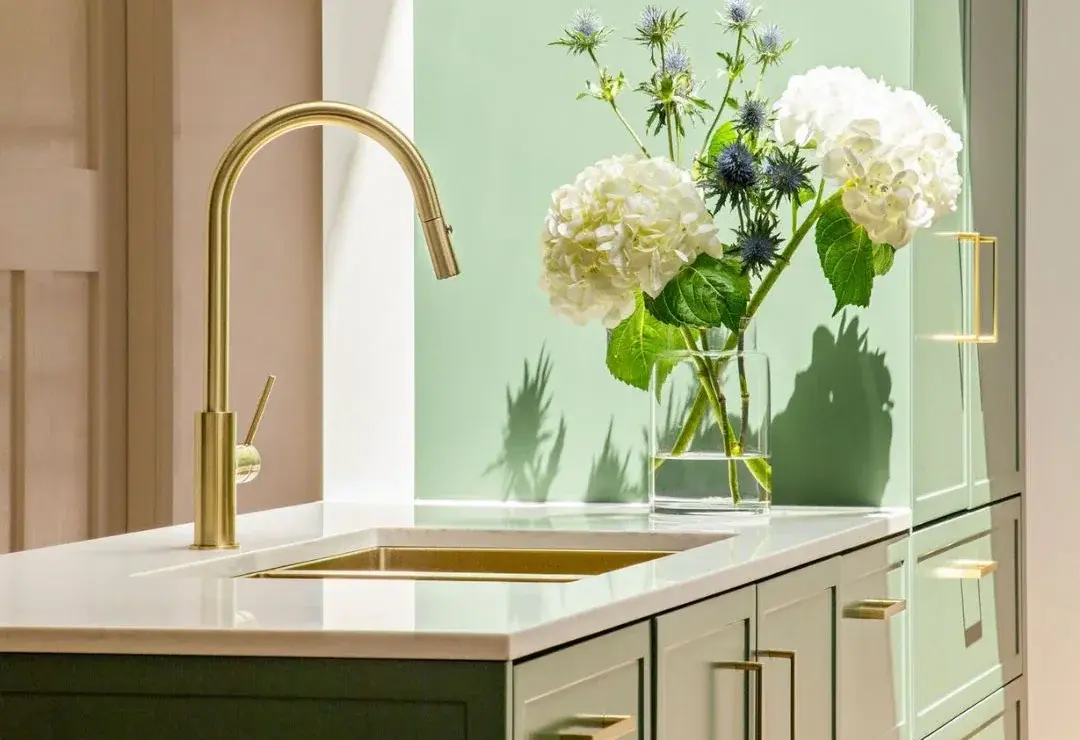
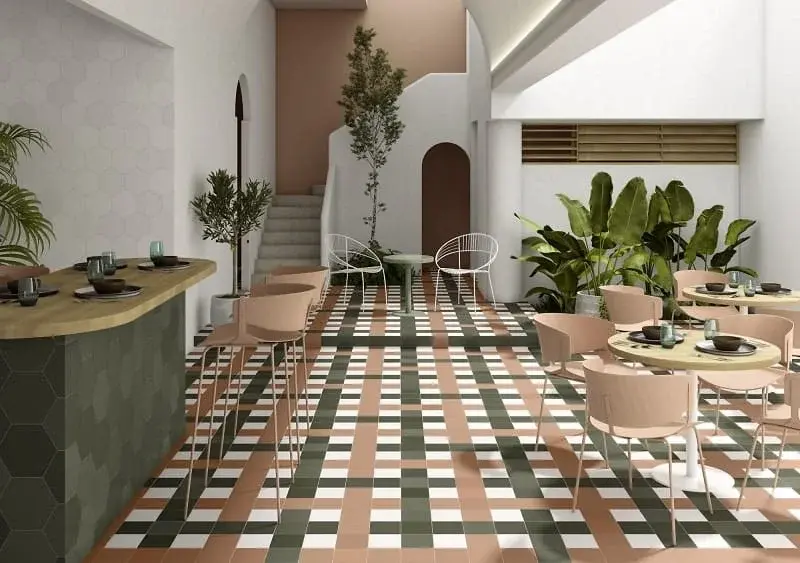
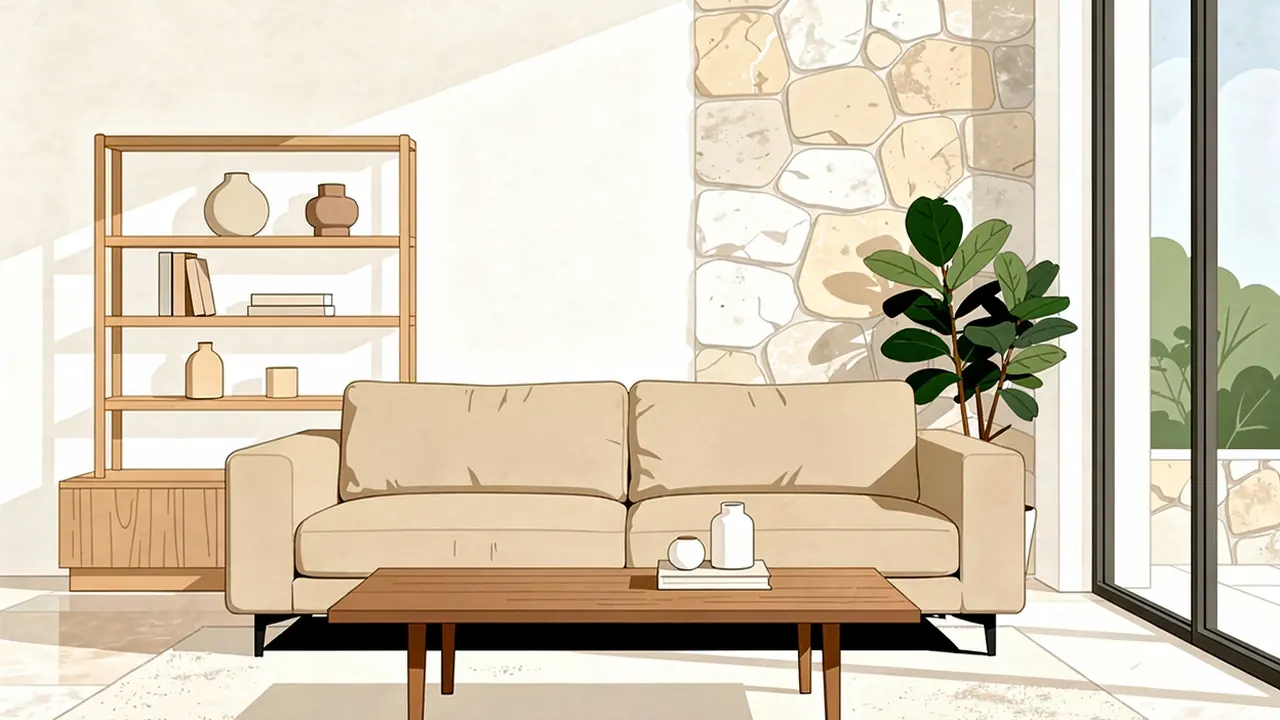
Wood warms the space, stone adds solidity, black metal emphasizes, and white increases light. The tile, furniture, faucet and lamp should be checked in one palette.
In everyday use, quality is most quickly seen in the surface, edges, joints and ease of cleaning. If the color is used often, it is better to choose a solution that can withstand the load and keep the visual for a long time.
Price and comparison
The price is not only about paint or tile. If the colors are chosen incorrectly, the next change can be much more expensive, as furniture, textiles and lighting are also changed.
Compare size, material, fitment, installation, warranty and daily maintenance together. So the color is not evaluated by the price, but by the actual use and duration.
Frequent mistakes
A common mistake is to choose a color with one small photo. The second mistake is to make all the surfaces in one tone, because of which the interior looks flat and lifeless.
You will get the most peace of mind when you view a sample, compare several options and check delivery, installation, maintenance and compatibility in advance before making a final decision. So the choice is more practical and long lasting.
Color: Related Pages
Close to this topic is the catalog of materials, furniture, lighting. Viewing them together helps you correctly compare size, installation and maintenance details.
Color - Checklist
- Check product size, material and installation conditions.
- Observe the symbols, class, certificates and care instructions indicated on the packaging.
- Compare multiple options not just on price, but on warranty, quality, and usage scenarios.
- Consider space, humidity, load and ease of cleaning.
- If the topic is related to design, check compatibility with already selected materials and accessories.
Frequently Asked Questions
What should we check first when choosing color and materials?
The first step is size, usage scenario and installation conditions. After that, the comparison of price, color and brand becomes much more correct.
Is cheap color always a bad choice?
No. A cheaper option may be sufficient for simple use, but you should check the material, fittings, finish, warranty and how well it fits the space.
Why is it better to compare several options on the spot?
Texture, color and scale often appear different in a photograph. On-site comparisons help you see the surface, roughness, finish, and quality of detail.
Compare the color with the samples
The right palette appears when the materials lie together.
View materials