





The floor: what is the main thing
The best flooring material depends on the space. In bathrooms and wet areas, tiles are a safe choice, in living rooms, laminate or SPC may be warmer and more practical.
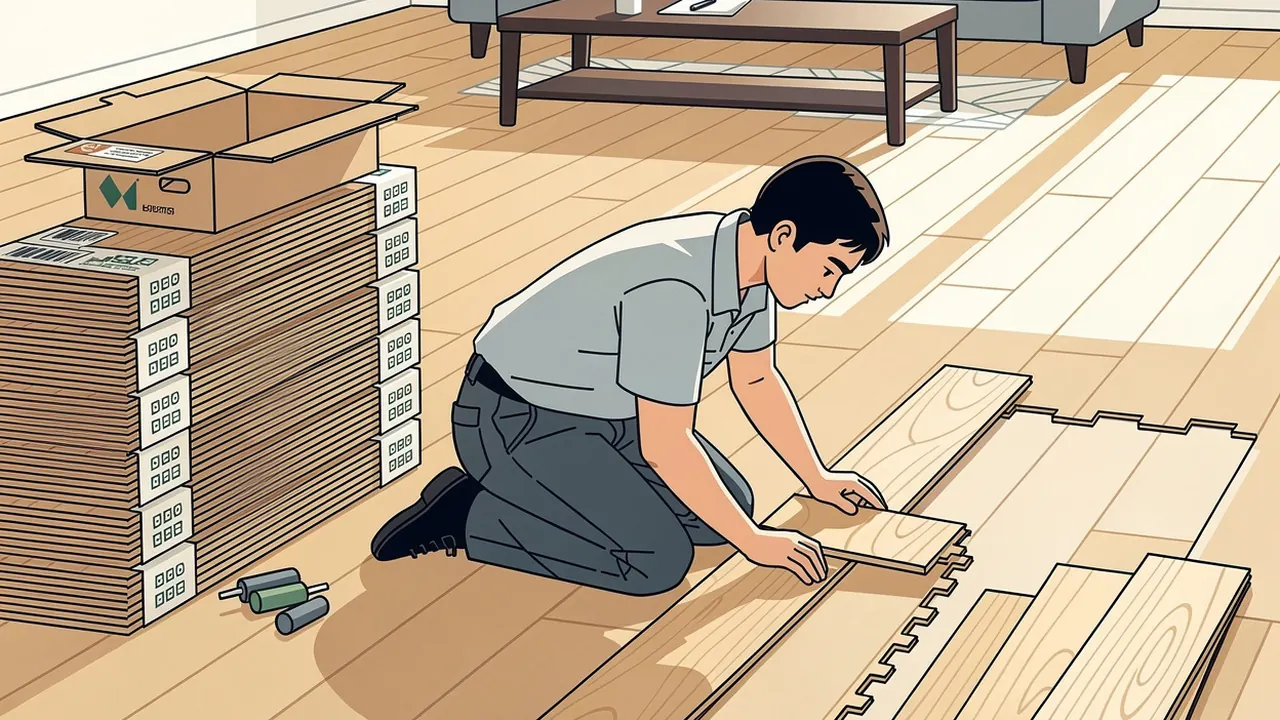
Laminate, SPC, and vinyl often sound the same, but water resistance, installation, sound, and surface feel are all different.
How to choose correctly
Consider humidity, load, pets, children and cleaning mode. The floor in the kitchen gets stains and water, and the hallway gets frequent traffic.
The right choice begins not with one beautiful photo, but with questions: where will it be placed, who will use it, how often will it be cleaned and what should be done with the existing interior. In this way, the floor is no longer a random object and becomes a well-thought-out part of the space.
Material, size and care
Laminate is popular for its warm visuals, SPC is more resistant to moisture, vinyl gives a softer feel, and tile is the most durable and reliable for wet areas.
In everyday use, quality is most quickly seen in the surface, edges, joints and ease of cleaning. If the floor is used often, it is better to choose a solution that can withstand the load and maintain its visual appearance for a long time.
Price and comparison
The price includes material, screed, plinth, installation and surface preparation. Inexpensive laminate can become expensive if the base is not properly leveled.
Compare size, material, fitment, installation, warranty and daily maintenance together. Thus, the floor is not evaluated by price, but by actual use and duration.
Frequent mistakes
It is a common mistake to choose the floor only by color. Another mistake is to underestimate the condition of the old floor, because a bad foundation can damage the new material as well.
You will get the most peace of mind when you view a sample, compare several options and check delivery, installation, maintenance and compatibility in advance before making a final decision. So the choice is more practical and long lasting.
Floor: Related Pages
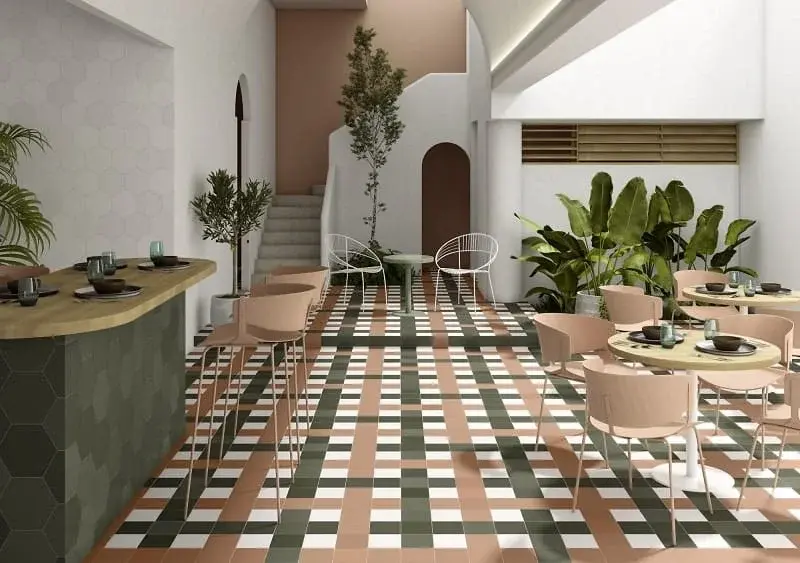
Close to this topic are floor and wall tiles, tiles and tiles, wall panels. Viewing them together helps you correctly compare size, installation and maintenance details.
Flooring - Checklist
- Check product size, material and installation conditions.
- Observe the symbols, class, certificates and care instructions indicated on the packaging.
- Compare multiple options not just on price, but on warranty, quality, and usage scenarios.
- Consider space, humidity, load and ease of cleaning.
- If the topic is related to the floor, check compatibility with already selected materials and accessories.
Frequently Asked Questions
What should we check first when choosing a floor?
The first step is size, usage scenario and installation conditions. After that, the comparison of price, color and brand becomes much more correct.
Are cheap floors always a bad choice?
No. A cheaper option may be sufficient for simple use, but you should check the material, fittings, finish, warranty and how well it fits the space.
Why is it better to compare several options on the spot?
Texture, color and scale often appear different in a photograph. On-site comparisons help you see the surface, roughness, finish, and quality of detail.
Choose the floor according to the space load
Material, color and installation together determine the result.
floor materials