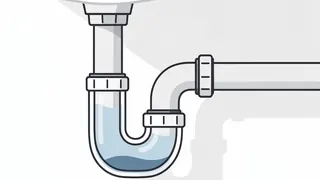




What is a trap and how is it different from a siphon?
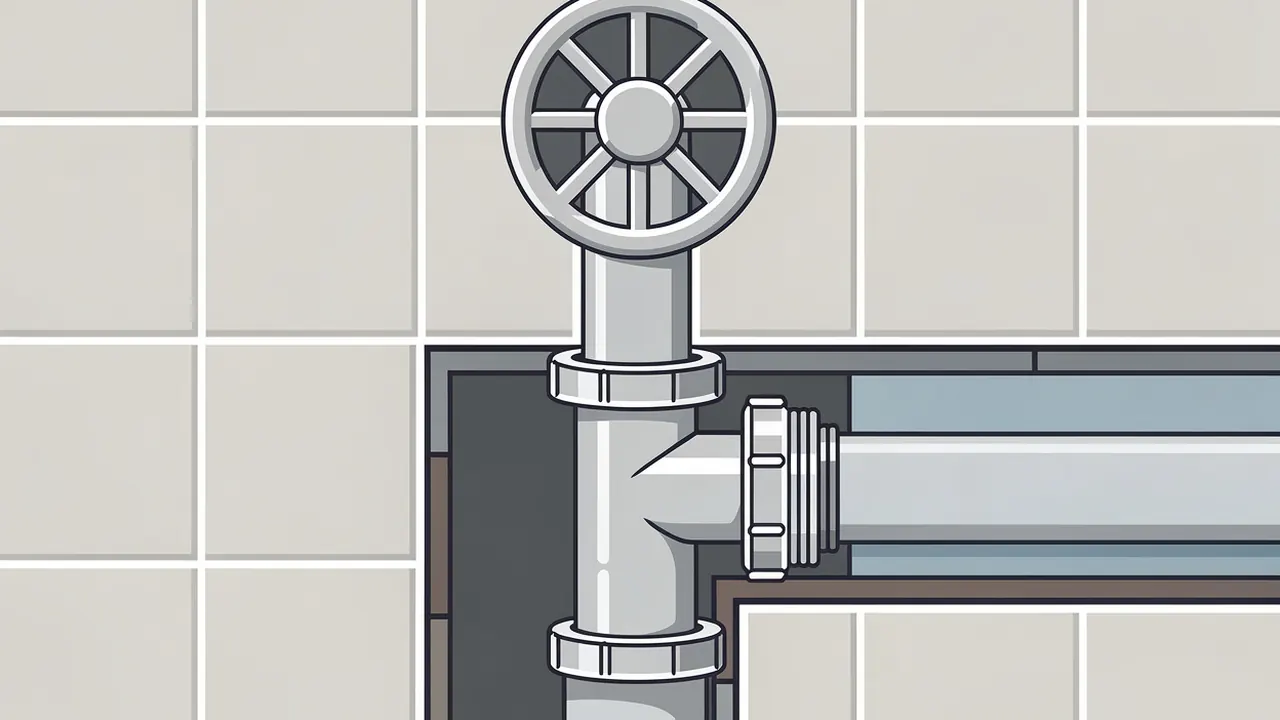
A bath trap is a detail inserted into the floor or shower area that carries water to the drain. Like a siphon, many traps have an anti-odor trap, but the trap is more closely related to the installation of floors, waterproofing and tiles.
The siphon is often visible under the towel or sink, and the trap is installed in the floor and becomes part of the finish. Therefore, it is much more difficult to change it after the completed repair, and the correct selection is important from the beginning.
Linear, square and tiled trap
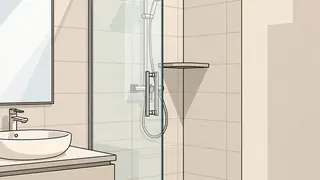
A linear trap in a large shower area creates a clean visual and receives a wide flow of water well. It is especially suitable for a minimalist shower, where the floor appears as a single plane.
The square trap is compact and fits easily in a small bathroom. A trap to be covered with a tile is the most inconspicuous, because the surface blends with the floor tile. This choice works especially well when you don't want too much metal in the design.
A dry seal against odors helps the system even when the water does not run for a long time. The water trap is a classic and reliable option, but its effect depends on the water plug.
Installation details to be decided in advance
Before choosing a trap, you need to know the height of the floor, the location of the sewer pipe, the size of the shower area and the thickness of the tile. If the slope of the floor is incorrect, even the best trap will not work smoothly. The water either drains or goes behind the glass.
Special attention needs to be paid to waterproofing. A trap is not just a top lid. Protecting the water around it, the quality of the connection and the correct inclination determine the long-term safety of the bath.
How to clean the bathroom trap
The trap should be periodically cleaned of hair, soap residue and mineral deposits. A good model opens so that the interior is accessible after removing the top cover. If cleaning is difficult, daily maintenance soon becomes unpleasant.
Use chemicals carefully, as some solutions damage gaskets and metal. In most cases, mechanical cleaning and rinsing with water is sufficient. If the odor or slow flow returns, a sanitary ware or sanitary ware problem should be checked.
Bathroom Trap: How to Choose for Shower and Floor: Related Pages
Close to this topic are shower traps, shower systems, tiles and carpet. Viewing them together helps you correctly compare size, installation and maintenance details.
before selecting the trap
- Determine the size of the shower area and the estimated water flow.
- Check the location of the sewer pipe and the height of the floor.
- Decide whether you need a linear, square or tile cover.
- Ask the handyman how the bending and waterproofing will be done.
- Choose a model that opens easily for cleaning.
Frequently Asked Questions
Are trap and siphon the same thing?
Both are related to draining water and stopping odors, but the trap is installed in the floor or shower area, and the siphon is often located under the sink or vanity.
Is a linear trap better or a square one?
In a large and open shower, a linear trap is more comfortable, in a small area, a square trap is often enough. The choice depends on the slope and design of the floor.
What does trap price depend on?
The price depends on the size, material, type of hood, permeability, odor trap and whether it is a tileable or decorative model.
Plan the trap to the slab
It is better to choose a trap in the shower area together with the planning of tiles, slopes and waterproofing.
View traps