





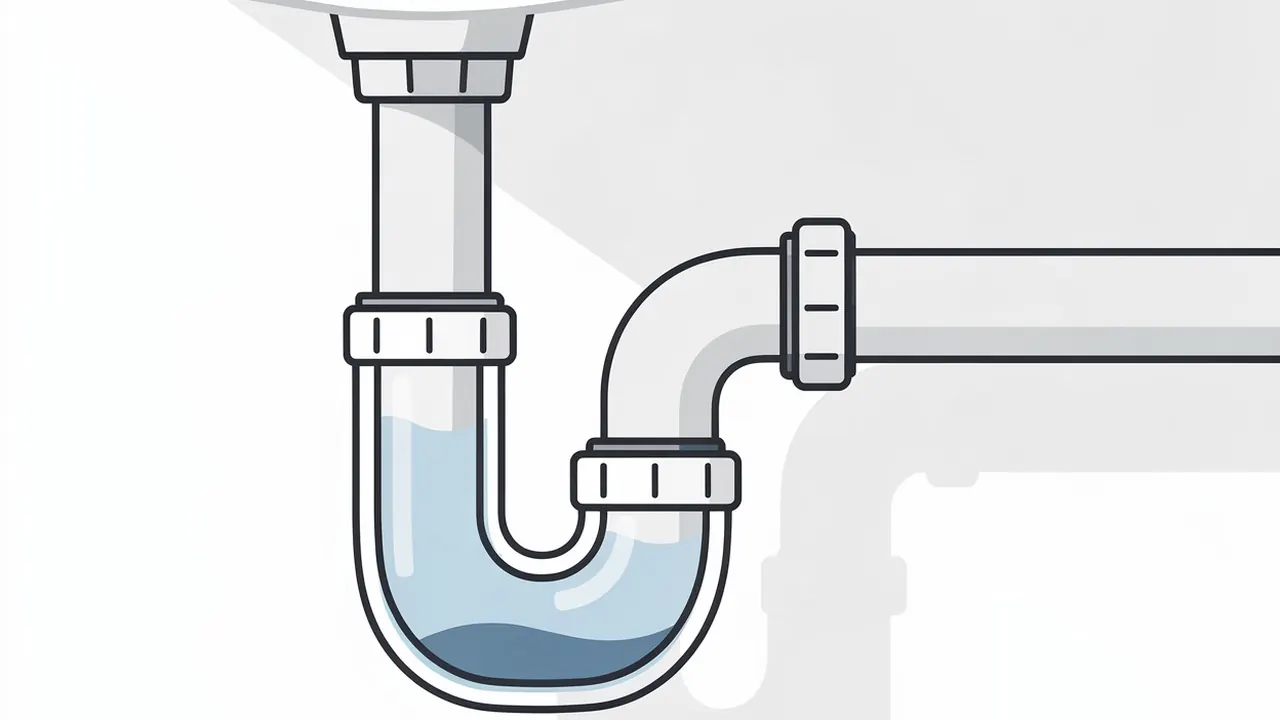
Siphon: main function
A siphon is a sanitary ware unit that carries water from a toilet, sink, bath or trap into the sewer. Its main task is not only to carry water. A properly installed siphon creates a small water plug, which does not allow the smell of sewage, gas and unpleasant air to return to the room.
If the siphon is selected correctly, the water in the bathroom or the kitchen will drain quickly, there will be no smell from below, there will be no leakage in the cupboard and it will be easy to clean. That is why the siphon should not be chosen only by price. Size, shape, material, space and usage scenario need to be considered.
When renovating, changing a towel or choosing a kitchen sink, you should consider the siphon from the beginning. A practical choice starts with finding out where the part stands, what it does, what types it is, and what to check before buying.
How does a siphon work?
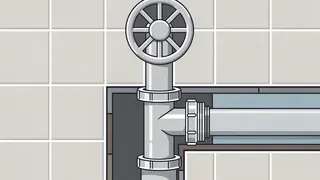
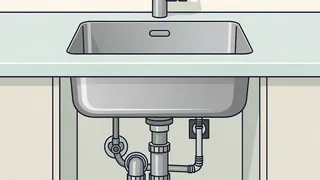
The most common siphon drains the water down, then forms a small bend or reservoir in the form of a pipe, and finally connects to the sewer pipe. A small amount of water always remains in this bend or reservoir. This water is a barrier that prevents the odor from returning.
If the siphon is not used for a long time, the water plug may evaporate. At such times, a smell appears in the bathroom or kitchen, even though the pipes are not damaged. At the first stage, it is enough to pour water. If the smell still persists, the cause may be poor installation, improper tilting, contamination, or even a ventilation problem.
Odor retention in the toilet is usually provided by a water trap inside the ceramic body. The principle is similar to a siphon, but the bottle-shaped detail under the towel is not mounted separately to the toilet.
The main types of siphons
A bottle-shaped siphon is often used for hand washing. It is compact, opens at the bottom and is relatively easy to clean. If the siphon is visible in the open, for example with a hanging towel without a cabinet, a chrome, black or decorative model is also visually important.
A tubular siphon is more minimalistic and is often seen with modern, open console-style vanities. The corrugated siphon is flexible and helps the craftsman in difficult installation, however, it is visually less tidy and has a greater risk of dirt accumulation in the folds.
The siphon of the kitchen sink is more heavily loaded because it gets grease, small food particles and frequent water flow. In the kitchen, you may need a siphon with an additional branch, for example, to connect a dishwasher or other appliances.
How to choose a siphon correctly
The first question is where to install the siphon. Towel siphon, bathroom siphon and kitchen sink siphon differ from each other in terms of load, shape and connection details. It's not a good idea to use one type of detail everywhere just because the size seems to fit.
The second issue is space. If there is a cabinet under the sink, the siphon must be positioned so that it does not hit the drawer, shelf or back wall of the cabinet. A compact siphon is often better in a small bathroom, and a visually finished model with an open vanity is better.
The third issue is ease of cleaning. A good siphon should open without having to dismantle the cabinet or remove the entire sink. If oily water often gets into the kitchen, an easy-to-clean model is especially important.
When should the siphon be replaced?
It is worth replacing the siphon if water leaks from the bottom, the plastic is dry, the connections often break, the smell returns even after cleaning, or the water flows very slowly. Sometimes the problem is only in the gasket, but a complete replacement of an old, low-quality part is a more reliable solution.
When buying a new toilet or sink, you should consider the siphon in advance. A beautiful sink with a poorly selected siphon turns into a daily inconvenience: the drawer does not close, the water drains slowly, there is an odor or the installation needs to be re-installed.
It is best to choose a siphon in the Merlons showroom together with a specific vanity, sink or bathroom furniture. So easily check the color, shape, height, connection point and whether there will be enough space in the cabinet.
What is a siphon: the complete guide to the bathroom and kitchen: related pages
Towel siphons, towels, siphons and accessories are close to this topic. Viewing them together helps you correctly compare size, installation and maintenance details.
Check before choosing a siphon
- To which item should it be attached: towel, bathroom, kitchen sink or trap.
- How much space is there below and does it interfere with the drawer of the cabinet?
- Whether the siphon is visible from the outside and whether a decorative color is required.
- Is additional branching required for hardware?
- Is it possible to open and clean the siphon easily?
Frequently Asked Questions
What is a simple siphon?
A siphon is a sanitary ware part in the form of a pipe or reservoir that carries water into the sewer and prevents odors from returning through the water plug.
Siphon price depends on what?
The price depends on the material, color, shape, size, additional branches and whether it is decorative or hidden in the cabinet.
Are the toilet and kitchen siphons the same?
The principle is similar, but the kitchen siphon is more loaded and often requires a wider bandwidth or an additional connection for appliances.
Why does the siphon smell?
The cause could be a dried water plug, contamination, poor installation, improper tilt or ventilation problem.
Select the siphon with the item
Choosing a siphon is easiest when the vanity, sink, cabinet and installation height are checked together.
sanitary ware accessories